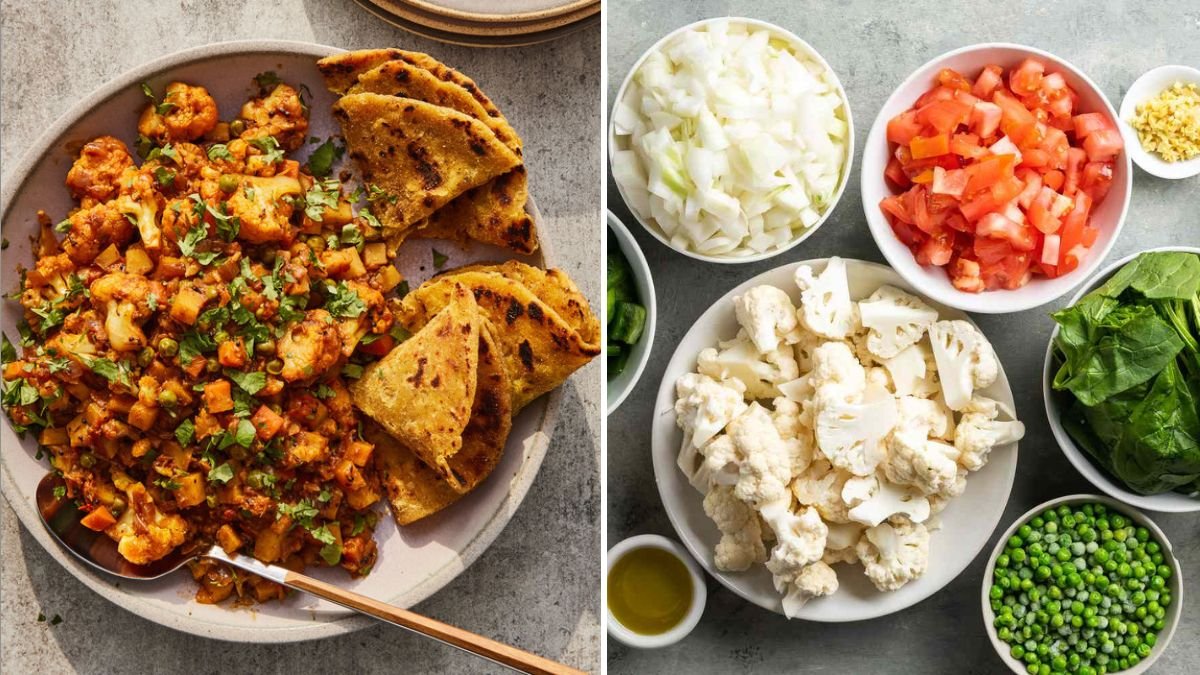
Mixed Veg Sabzi is a classic North Indian dish that combines an assortment of vegetables cooked in aromatic spices. It’s colorful, nutritious, and versatile—perfect as a side dish with roti, paratha, or rice. The beauty of this dish lies in its simplicity and the ability to customize it with seasonal vegetables, making it a staple in Indian households.
This guide will walk you through a 6-step process to cook Mixed Veg Sabzi North Indian style, ensuring rich flavors, perfect spice balance, and the right texture every time.
Step 1: Gather Fresh Ingredients
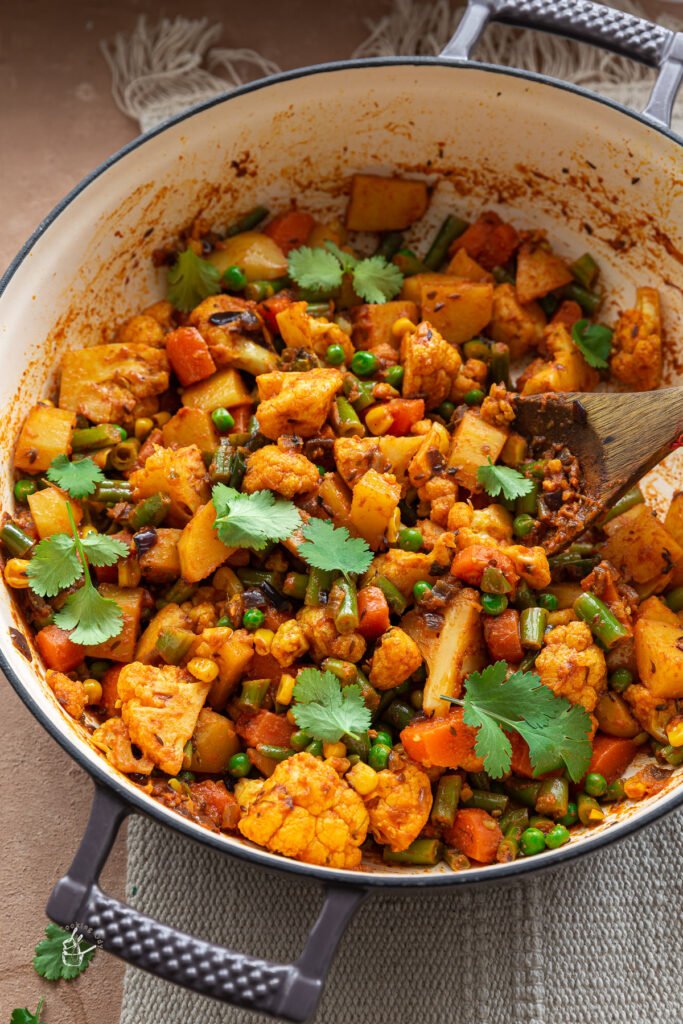
The first step to a delicious Mixed Veg Sabzi is using fresh, high-quality vegetables and spices.
Ingredients:
- Vegetables (chopped into bite-sized pieces):
- 1 cup carrots
- 1 cup beans
- ½ cup cauliflower florets
- ½ cup peas
- 1 medium potato
- 1 medium capsicum (optional)
- Onion: 1 medium, finely chopped
- Tomatoes: 2 medium, pureed or chopped
- Ginger-Garlic Paste: 1 tablespoon
- Green Chilies: 1–2, slit
- Spices:
- Cumin Seeds – 1 teaspoon
- Turmeric Powder – ½ teaspoon
- Red Chili Powder – 1 teaspoon
- Coriander Powder – 1 teaspoon
- Garam Masala – ½ teaspoon
- Salt – to taste
- Oil or Ghee: 2 tablespoons
- Fresh Coriander Leaves: For garnish
- Water: ½–1 cup for cooking
Tip: Using fresh, seasonal vegetables ensures maximum flavor, color, and nutrition.

Step 2: Prepare the Vegetables
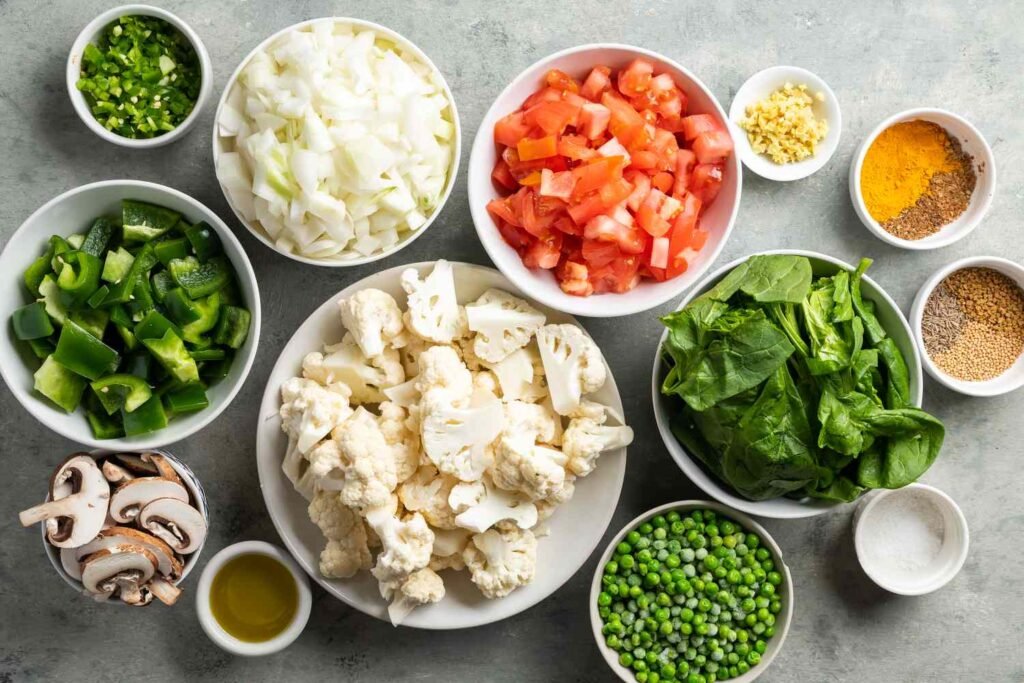
Proper preparation ensures even cooking and preserves the flavor of each vegetable.
Instructions:
- Wash all vegetables thoroughly.
- Peel carrots, potatoes, and other root vegetables.
- Chop vegetables into uniform, bite-sized pieces to ensure even cooking.
- Blanch harder vegetables like carrots and beans in boiling water for 2–3 minutes to reduce cooking time and maintain color.
- Keep all vegetables ready in separate bowls for easy cooking.
Tip: Uniform size ensures that no vegetable is overcooked or undercooked, maintaining both texture and appearance.
Step 3: Cook the Base Masala
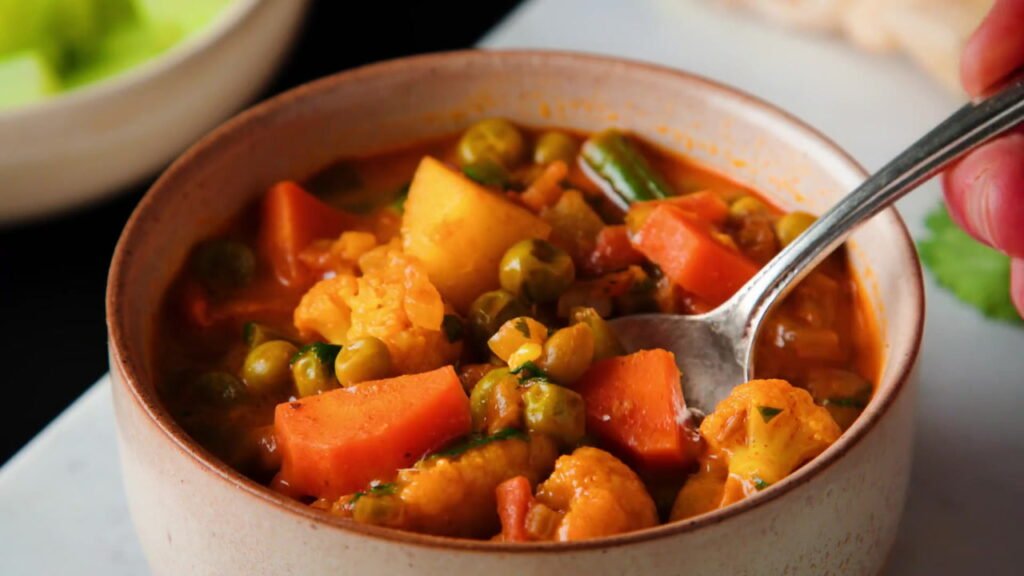
The masala forms the backbone of any North Indian sabzi.
Instructions:
- Heat 2 tablespoons of oil or ghee in a pan on medium flame.
- Add cumin seeds and let them splutter.
- Add finely chopped onions and sauté until golden brown.
- Stir in ginger-garlic paste and green chilies, cooking until the raw aroma disappears.
- Add pureed or chopped tomatoes and cook until oil separates from the masala.
- Mix in turmeric powder, red chili powder, and coriander powder.
Tip: Cooking the masala slowly ensures the spices bloom and the sabzi develops depth of flavor.

Step 4: Add Vegetables and Simmer
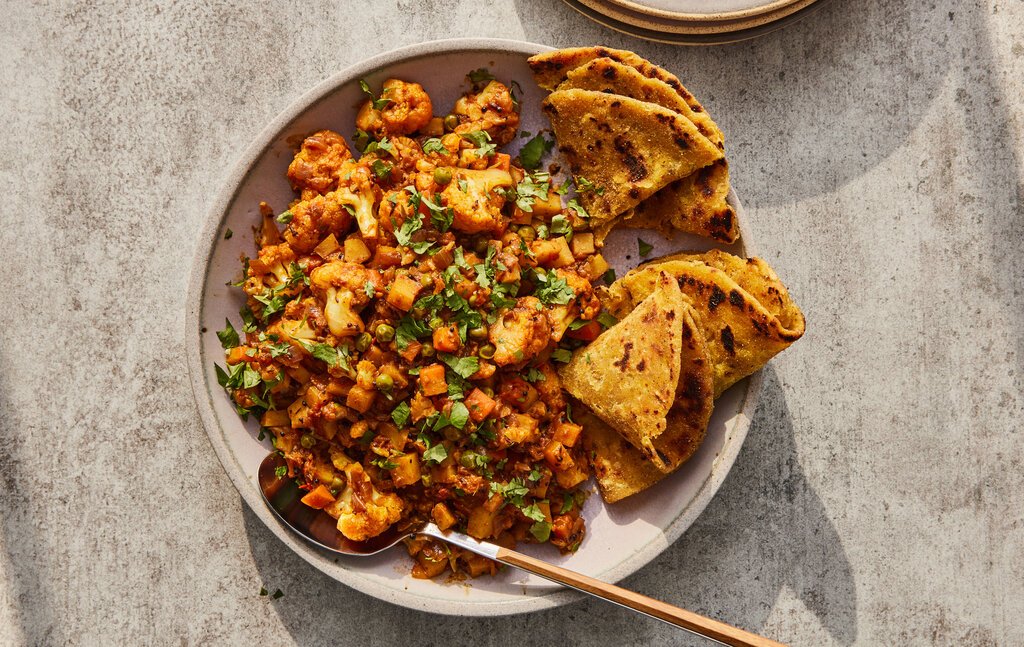
Combining vegetables with the masala properly ensures they absorb the spices and retain texture.
Instructions:
- Add the harder vegetables first (carrots, beans, potatoes) to the masala.
- Stir well so they are coated evenly with the masala.
- Add softer vegetables like cauliflower, peas, and capsicum after 5–7 minutes.
- Pour ½–1 cup water, depending on desired consistency, and cover the pan.
- Simmer for 10–12 minutes, stirring occasionally, until all vegetables are tender but not mushy.
Tip: Avoid overcooking; vegetables should retain their color and slight crunch for a vibrant and appealing sabzi.
Step 5: Add Finishing Spices
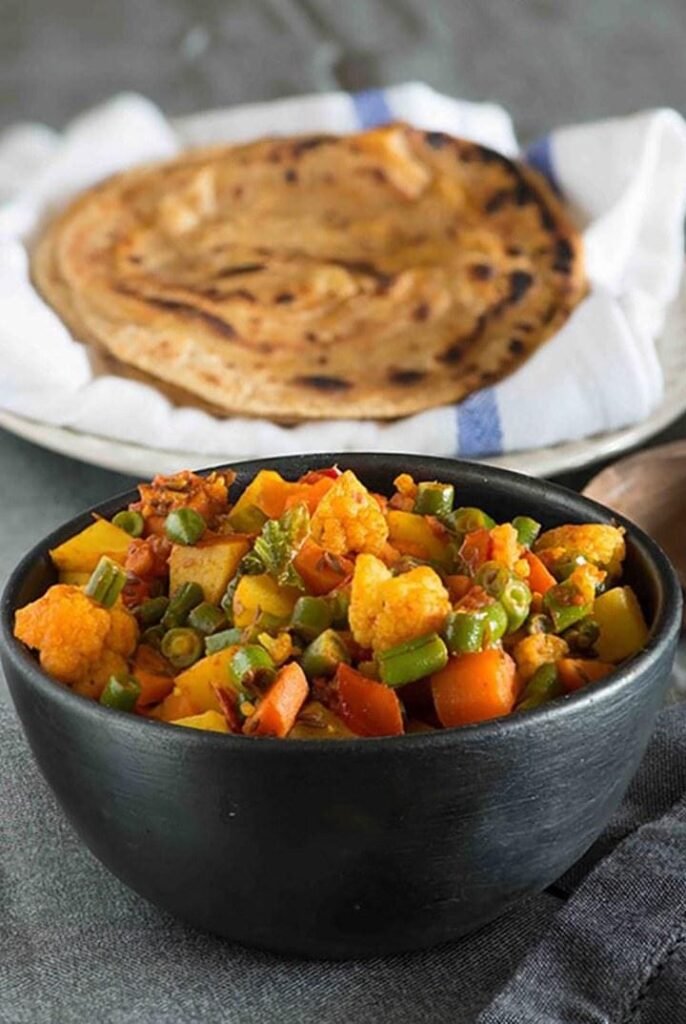
Finishing spices enhance aroma and give the sabzi its authentic North Indian flavor.
Instructions:
- Sprinkle ½ teaspoon garam masala over the cooked vegetables.
- Adjust salt and red chili powder according to taste.
- Optional: Crush kasuri methi (dried fenugreek leaves) and sprinkle for a subtle, aromatic flavor.
- Stir gently to mix evenly.
Tip: Adding garam masala and kasuri methi at the end preserves their aroma and prevents overpowering the fresh flavors of vegetables.

Step 6: Garnish and Serve
Presentation makes your sabzi more appetizing and flavorful.
Instructions:
- Turn off the flame and garnish with freshly chopped coriander leaves.
- Serve hot with:
- Roti, paratha, or naan for a traditional North Indian meal
- Steamed rice or jeera rice for a wholesome lunch or dinner
- Raita or pickle as a side for added flavor
- Optional: Drizzle a teaspoon of ghee on top for a richer taste.
Tip: Mixed Veg Sabzi tastes best fresh while it’s warm, making it ideal for family meals and festive occasions.
Extra Tips for Perfect Mixed Veg Sabzi
- Use Seasonal Vegetables: This ensures better taste, texture, and nutritional value.
- Uniform Cutting: Helps in even cooking and gives a visually appealing dish.
- Cook on Medium Heat: Slow cooking allows spices to blend without burning the masala.
- Adjust Water Quantity: For a drier sabzi, use less water; for a gravy-style sabzi, add more water.
- Experiment with Spices: Add turmeric, amchur (dry mango powder), or cumin powder for flavor variations.
Common Mistakes to Avoid
- Overcooking Vegetables: Leads to mushy, colorless sabzi.
- High Heat Cooking: Can burn the masala and alter the taste.
- Skipping Spices: Spices bring authenticity and depth to the dish; don’t under-season.
- Not Stirring: Causes sticking at the bottom, burning the vegetables and masala.
- Neglecting Garnish: Fresh coriander leaves enhance flavor, aroma, and presentation.
Tip: Patience, even cooking, and correct spice balance are key to a restaurant-style North Indian sabzi.
Healthier Variations
- Use minimal oil or ghee to make it lighter.
- Include more green vegetables like spinach, broccoli, or zucchini for added nutrition.
- Pair with brown rice, millet, or whole wheat roti for a balanced meal.
- Add a squeeze of lemon juice before serving for extra flavor and vitamin C.
Tip: Even healthier adaptations maintain authentic taste with proper spice balance and cooking technique.

Serving Suggestions
- Serve as a side dish with jeera rice, plain rice, or biryani.
- Pair with roti, naan, or paratha for breakfast, lunch, or dinner.
- Accompany with raita, yogurt, or pickle to balance the flavors.
- Can be part of a vegetarian thali, along with dal, rice, and salad.
Tip: Mixed Veg Sabzi is versatile and can be paired with almost any Indian meal for a nutritious and flavorful addition.
Final Thoughts
Cooking Mixed Veg Sabzi North Indian style is simple yet rewarding. By following these 6 steps—gathering ingredients, preparing vegetables, cooking the base masala, adding vegetables and simmering, finishing spices, and garnishing—you can create a flavorful, colorful, and wholesome dish that’s perfect for any meal.
This dish is not only nutritious, providing a mix of proteins, fiber, and vitamins, but also visually appealing with its colorful assortment of vegetables. With proper spice balance and careful cooking, you can achieve restaurant-style North Indian mixed veg sabzi at home, making it a versatile option for family meals, festive occasions, or simple everyday lunches and dinners.