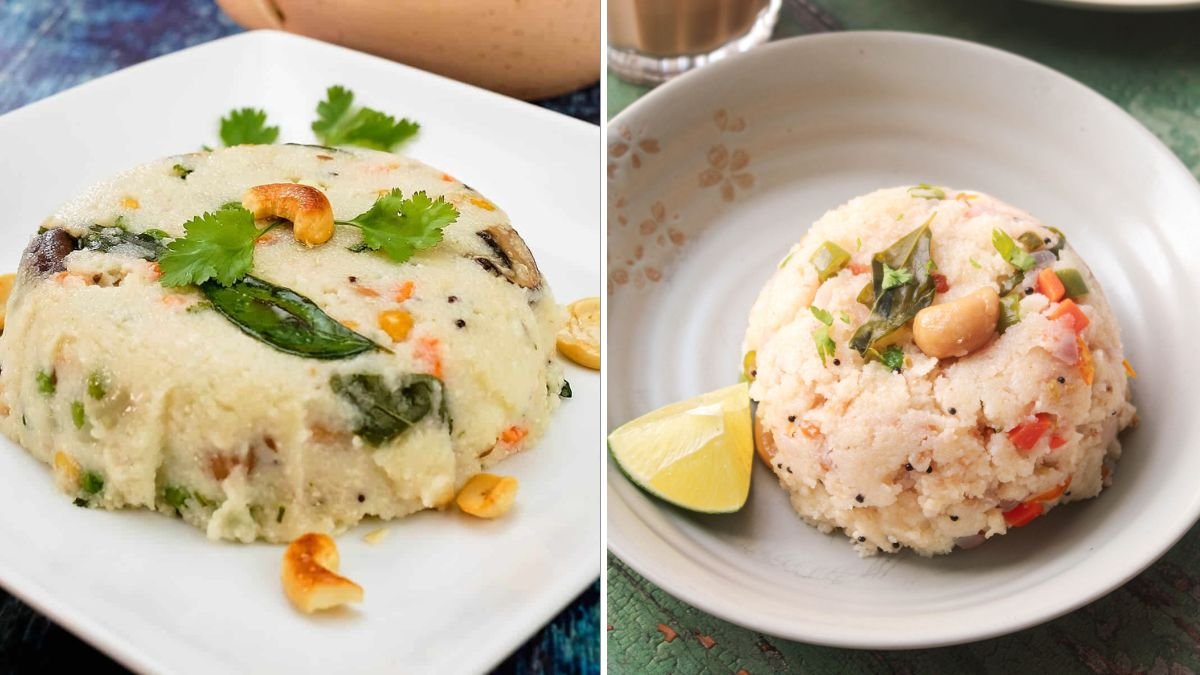
Breakfast is the most important meal of the day, and if you’re looking for a nutritious, quick, and filling option, vegetable upma is the perfect choice. Popular in South India, upma is a semolina-based savory porridge cooked with fresh vegetables, spices, and herbs. This dish is not only light and easy to digest, but it’s also packed with nutrients, making it ideal for busy mornings in American households.
In this guide, we’ll walk you through a 5-step process to make vegetable upma, ensuring a flavorful, wholesome, and fast breakfast that appeals to American tastes.
Why Vegetable Upma is Perfect for American Kitchens
- Quick and Easy: Ready in just 15–20 minutes, perfect for busy mornings.
- Healthy and Nutrient-Dense: Loaded with vegetables, fiber, and protein.
- Light Yet Filling: Provides sustained energy without feeling heavy.
- Vegetarian-Friendly: Naturally vegetarian and easily adaptable for vegan diets.
- Versatile: Serve as a breakfast, brunch, or light dinner.
Vegetable upma is flexible, wholesome, and flavorful, making it a fantastic breakfast choice for Americans looking for a healthy and filling start to the day.
Step 1: Gather Your Ingredients
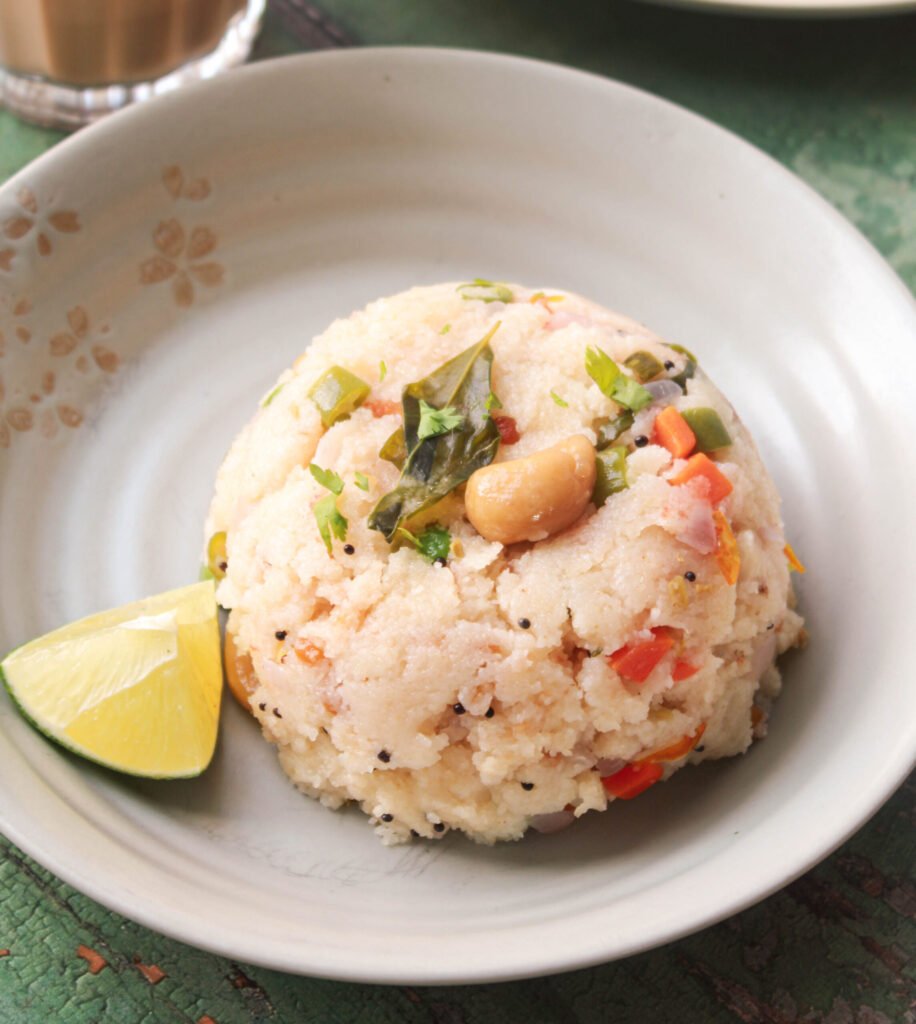
The key to a flavorful upma is using fresh vegetables, semolina (rava or suji), and aromatic spices. Most ingredients are readily available in American grocery stores or Indian markets.

Ingredients:
- 1 cup semolina (rava or suji, roasted or raw)
- 2 tablespoons oil or ghee
- 1 teaspoon mustard seeds
- 1 teaspoon cumin seeds
- 8–10 curry leaves (optional, for aroma)
- 1–2 green chilies, chopped (optional)
- 1 small onion, finely chopped
- 1 cup mixed vegetables (carrots, peas, corn, beans, bell peppers)
- 2 ½ cups water or vegetable stock
- Salt to taste
- Fresh cilantro, chopped, for garnish
- 1 tablespoon lemon juice (optional)
- Roasted cashews or peanuts (optional, for crunch)
Pro Tip: Use fresh, colorful vegetables to make the upma more nutritious and visually appealing.
Step 2: Roast and Prepare the Semolina
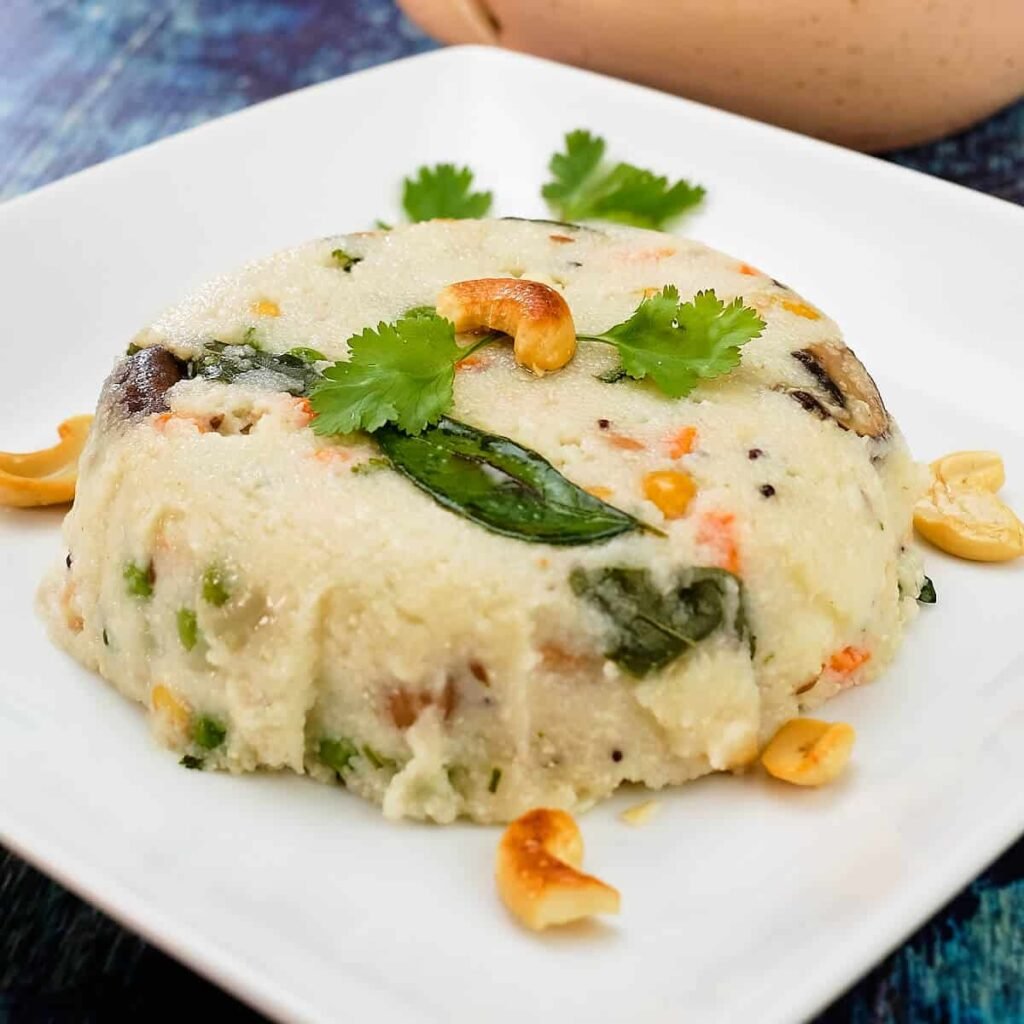
Roasting semolina gives a nutty flavor and prevents lumps:
- Heat a dry pan over medium heat.
- Add semolina and roast for 3–5 minutes, stirring continuously until it turns light golden and aromatic.
- Remove from heat and set aside.
Pro Tip: Avoid over-roasting, as it can make the semolina bitter. Light golden is perfect.

Step 3: Sauté Aromatics and Vegetables

Sautéing spices and vegetables enhances the flavor and aroma of the upma:
- Heat oil or ghee in a pan over medium heat.
- Add mustard seeds and let them splutter.
- Add cumin seeds, curry leaves, and green chilies; sauté for a few seconds.
- Add chopped onions and sauté until translucent.
- Add mixed vegetables and sauté for 3–4 minutes until slightly tender.
Pro Tip: Use vegetables like carrots, peas, and corn for a balance of sweetness, color, and nutrition.
Step 4: Cook the Upma
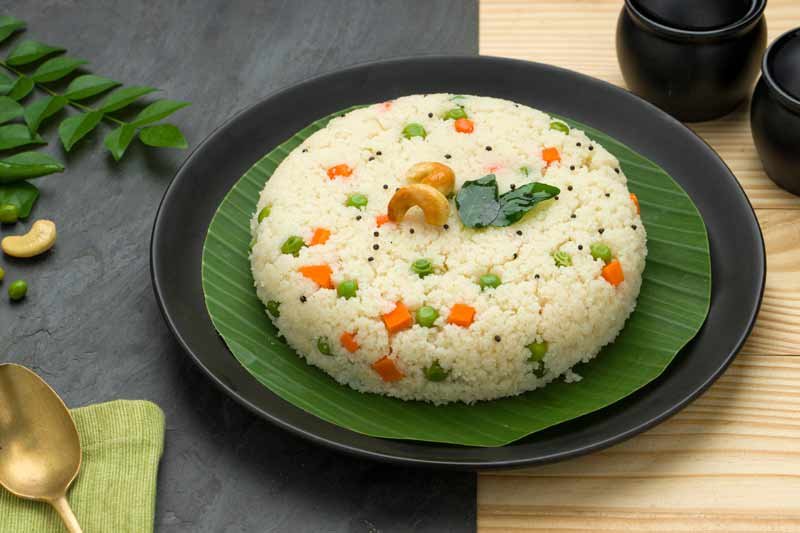
Cooking semolina correctly ensures a soft, fluffy texture:
- Add water or vegetable stock to the sautéed vegetables and bring it to a boil.
- Add salt to taste.
- Gradually add the roasted semolina while stirring continuously to prevent lumps.
- Reduce heat to low and cover the pan; let it cook for 5–7 minutes, stirring occasionally.
- Once all the water is absorbed and semolina is cooked, remove from heat.
Pro Tip: Stir continuously while adding semolina to avoid clumps. Adjust water for desired consistency—slightly soft upma is ideal.

Step 5: Garnish and Serve
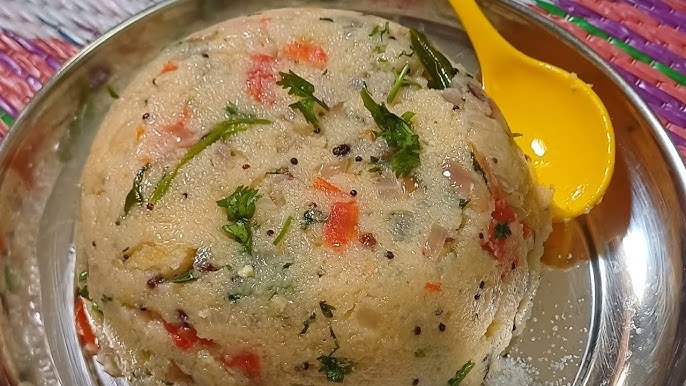
Presentation and freshness enhance the appeal of vegetable upma:
- Garnish with freshly chopped cilantro.
- Squeeze lemon juice on top for a refreshing, tangy flavor.
- Sprinkle roasted cashews or peanuts for added crunch.
- Serve hot with coconut chutney or a side of yogurt for a complete breakfast.
Pro Tip: Vegetable upma can also be served as a light brunch or even a quick dinner.
Tips for Making the Best Vegetable Upma
- Consistent Vegetable Size: Chop vegetables evenly for uniform cooking.
- Roast Semolina Properly: Lightly roasted semolina prevents a raw taste and improves texture.
- Continuous Stirring: While adding semolina to boiling water, stir continuously to avoid lumps.
- Adjust Consistency: Add more water for softer upma or reduce for firmer texture.
- Add Protein: Include cooked chickpeas or tofu cubes for a protein-rich version.
Health Benefits of Vegetable Upma
- Rich in Fiber: Semolina and vegetables provide dietary fiber for digestion.
- Low-Calorie and Nutritious: Light yet filling, ideal for a healthy breakfast.
- Packed with Vitamins: Carrots, peas, bell peppers, and corn add vitamin A, C, and other essential nutrients.
- Gluten-Free Option: Use gluten-free semolina alternatives for gluten-sensitive diets.
- Energy Boosting: Provides sustained energy for a busy morning or active day.
Vegetable upma is a balanced meal that is quick to prepare, satisfying, and perfect for health-conscious Americans seeking easy and flavorful breakfast options.
Why Americans Love Vegetable Upma
- Quick Weekday Breakfast: Ready in under 20 minutes, ideal for busy schedules.
- Customizable: Adjust vegetables, spice levels, and garnishes to taste.
- Kid-Friendly: Mild, savory flavors make it appealing for children.
- Versatile Serving Options: Pair with chutney, yogurt, or even a fried egg for variety.
- Healthy and Wholesome: Low in fat, high in fiber, and nutrient-rich.
Vegetable upma brings South Indian flavors to American kitchens in a way that is approachable, nutritious, and satisfying.

Final Thoughts
Making vegetable upma for breakfast is simple, nutritious, and packed with flavor. By following these five steps—gathering ingredients, roasting semolina, sautéing aromatics and vegetables, cooking the upma, and garnishing—you can create a quick, healthy, and flavorful breakfast in just 20 minutes.
Whether you’re cooking for yourself, your family, or meal prepping for busy weekdays, vegetable upma is light, filling, and adaptable, perfect for modern American kitchens seeking healthy, plant-based breakfast options.
Serve hot with lemon, cilantro, or a side of coconut chutney, and enjoy a wholesome, comforting, and quick South Indian breakfast right at home.