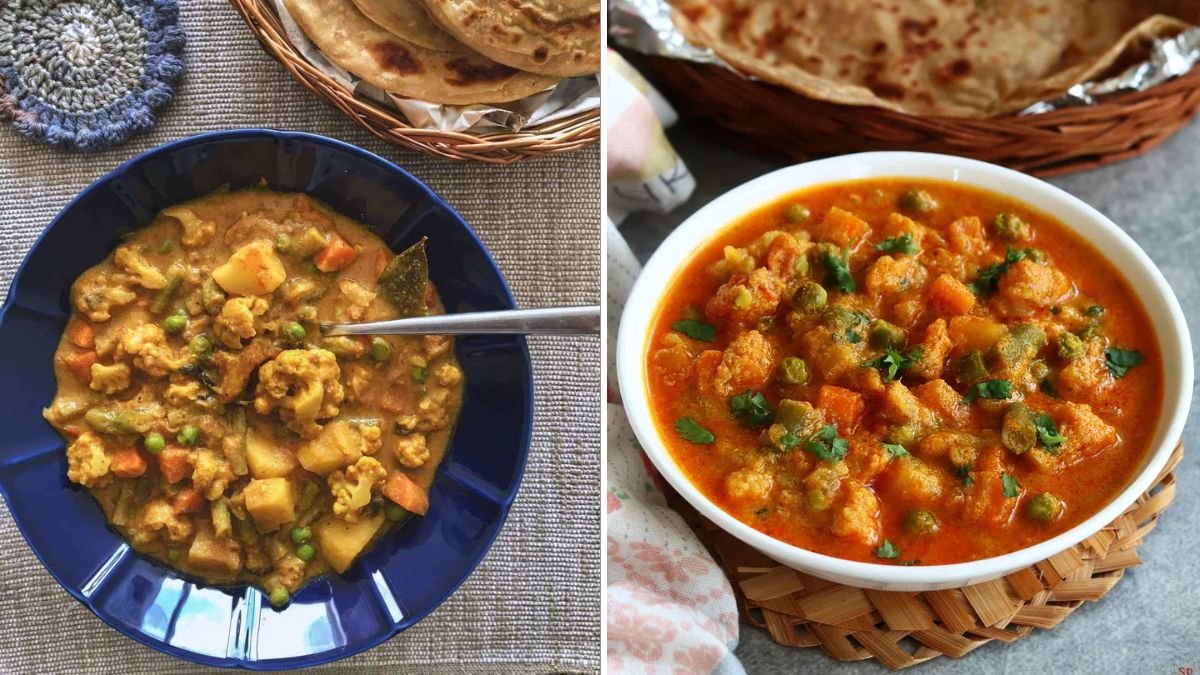
Vegetable Kurma is a rich, creamy, and aromatic South Indian curry that has been a favorite for generations. Known for its perfect balance of spices, coconut-based gravy, and fresh vegetables, this Tamil Nadu-style kurma is a wholesome vegetarian dish that works wonderfully with rice, roti, or parathas.
In this guide, we’ll walk you through a 7-step recipe for making Vegetable Kurma Tamil Nadu style—a dish that brings authentic Indian flavors into American kitchens in a simple, approachable way.
Why Vegetable Kurma is Perfect for American Kitchens
- Healthy and Nutritious: Loaded with fresh vegetables and protein-rich ingredients like peas or chickpeas.
- Flavorful and Aromatic: South Indian spices and coconut-based gravy create a complex yet approachable flavor profile.
- Vegetarian-Friendly: Naturally vegetarian and easily vegan when served without ghee.
- Versatile: Pair with steamed rice, naan, roti, parathas, or even quinoa for a modern twist.
- Comfort Food: Creamy texture and mild spice make it ideal for family meals or cozy dinners.
This dish is perfect for anyone looking to explore Indian cuisine at home while keeping it accessible and health-conscious.
Step 1: Gather Your Ingredients
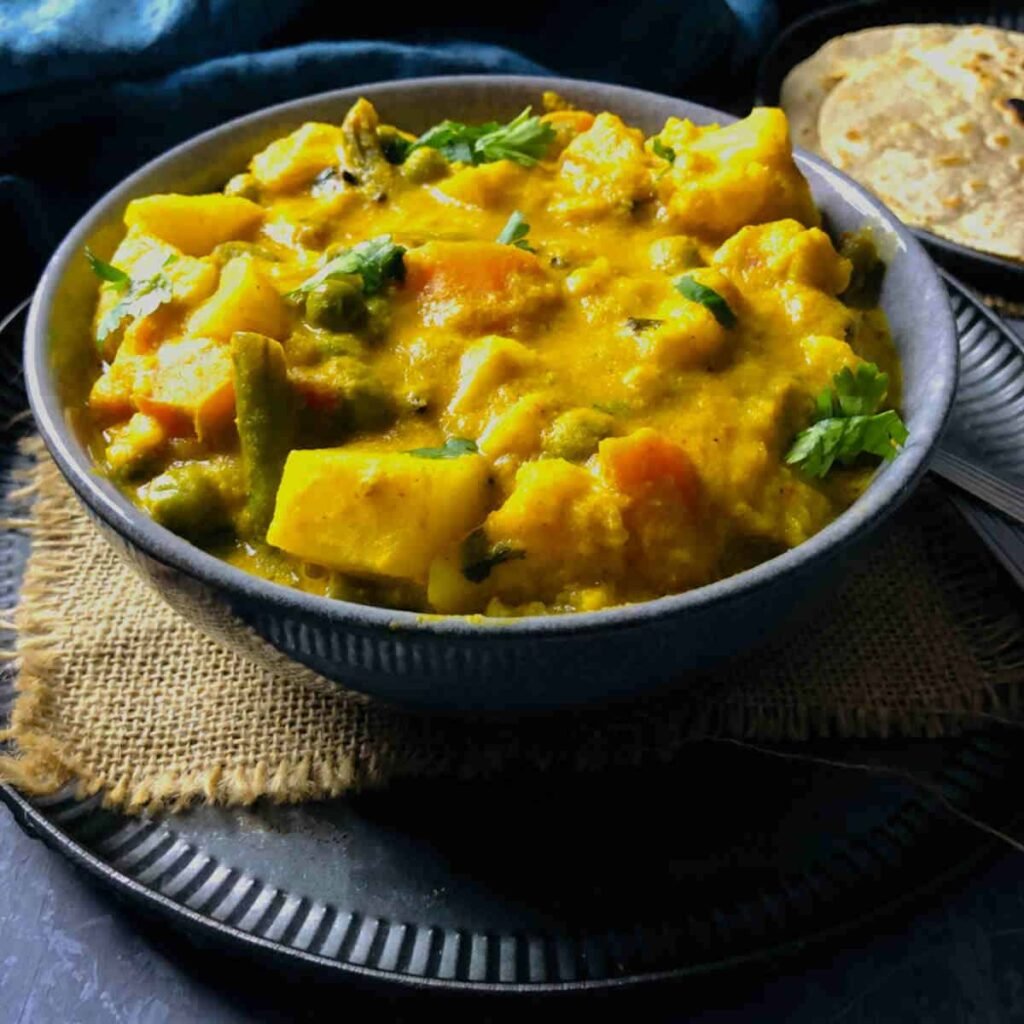
Authentic Tamil Nadu-style Vegetable Kurma relies on fresh vegetables, coconut, and aromatic spices. Most ingredients are available in American supermarkets or international grocery stores.

Vegetables:
- 1 cup carrots, chopped
- 1 cup beans, chopped
- ½ cup cauliflower florets
- ½ cup peas (fresh or frozen)
- 1 potato, diced
- Optional: bell peppers, baby corn, or zucchini
For the Gravy:
- ½ cup grated fresh coconut or unsweetened desiccated coconut
- 2–3 green chilies
- 1-inch piece ginger
- 3–4 garlic cloves
- 1 small onion, chopped
- 1 teaspoon fennel seeds
- 1 teaspoon poppy seeds (optional)
- 1 teaspoon coriander powder
- ½ teaspoon turmeric powder
- 1 teaspoon garam masala
- 2 tablespoons oil (vegetable or coconut)
- Salt to taste
- 1–2 cups water or vegetable stock
Garnishes and Flavor Enhancers:
- Fresh cilantro, chopped
- 1 teaspoon lemon juice (optional)
- Cashews (optional, for richness)
Pro Tip: Use seasonal vegetables available in American markets to make the dish more nutritious and colorful.

Step 2: Prepare the Coconut-Spice Paste
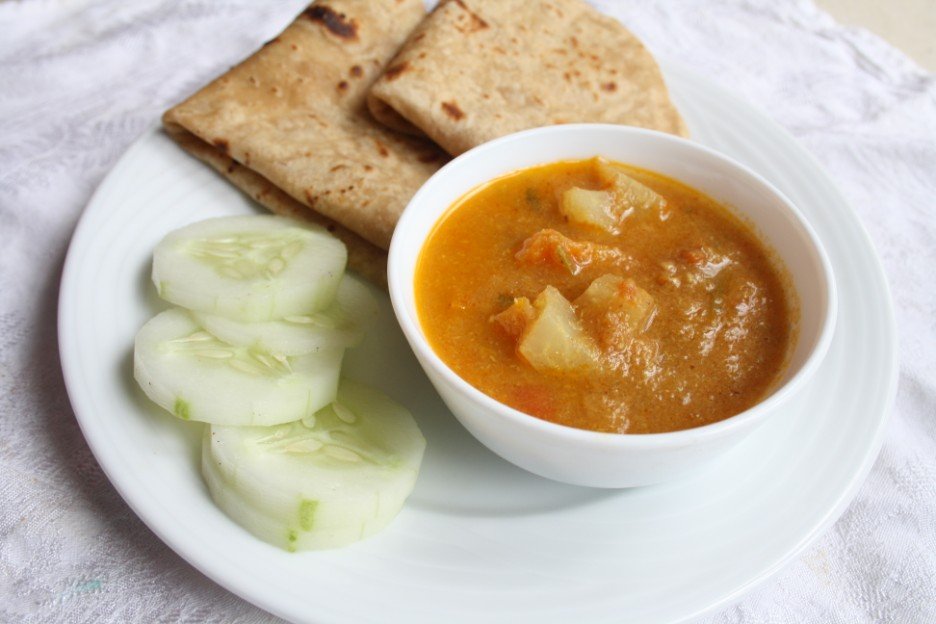
The coconut-spice paste is the heart of Tamil Nadu-style kurma:
- In a blender, combine grated coconut, green chilies, ginger, garlic, fennel seeds, and poppy seeds.
- Add a little water and blend to a smooth paste.
- Set aside—this paste will form the creamy base of the curry.
Pro Tip: Toasting the coconut lightly in a pan before blending can enhance the nutty flavor.
Step 3: Prepare the Vegetables
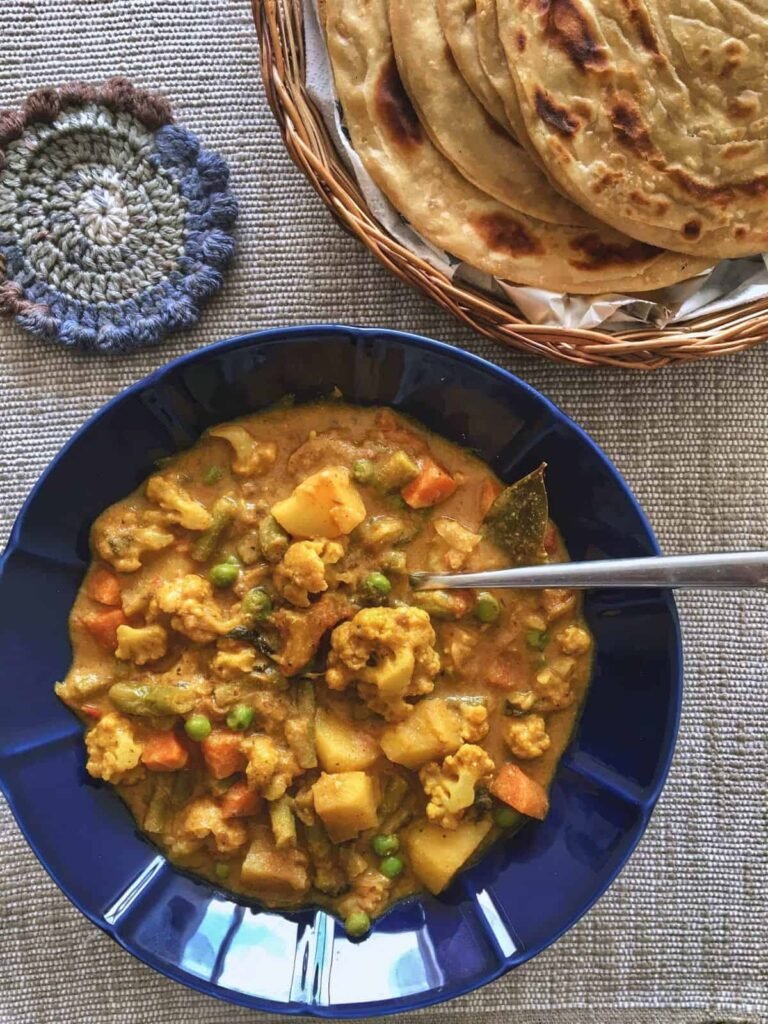
Vegetables should be cut evenly for even cooking and a beautiful presentation:
- Wash and chop all vegetables into bite-sized pieces.
- Keep peas and quick-cooking vegetables separate to add later.
- Optional: Parboil harder vegetables like carrots and potatoes for 2–3 minutes to reduce cooking time.
Pro Tip: Use a mix of textures—soft, crunchy, and leafy—to make the kurma more visually appealing and satisfying.

Step 4: Sauté Onions and Whole Spices
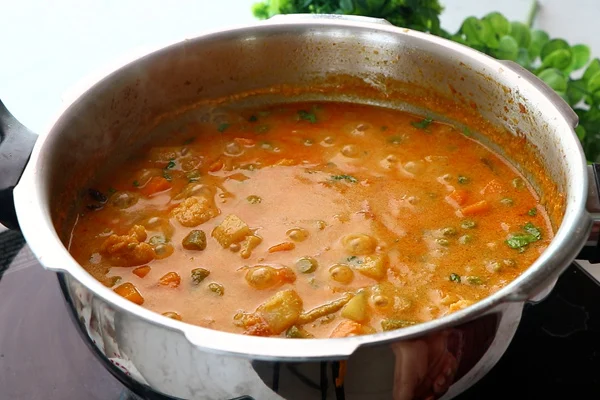
Sautéing spices and onions builds depth of flavor for the curry:
- Heat oil in a deep pan or skillet over medium heat.
- Add chopped onions and sauté until translucent.
- Stir in turmeric powder, coriander powder, and garam masala.
- Add cashews if using, and lightly toast for added richness.
Pro Tip: Keep the heat moderate to avoid burning spices, which can make the curry bitter.
Step 5: Cook the Vegetables
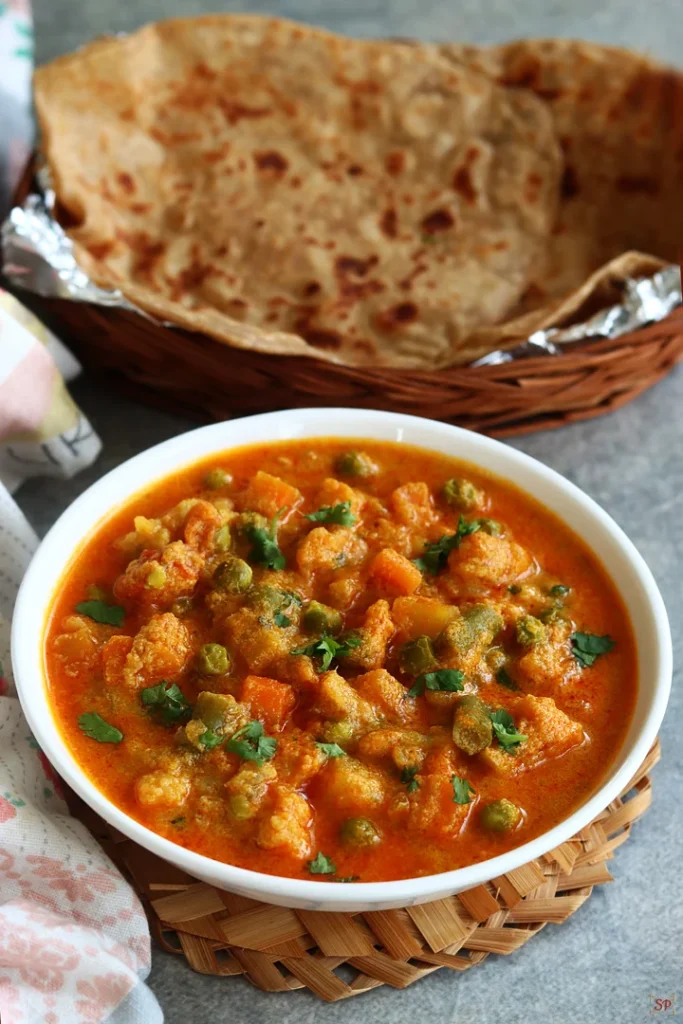
Properly cooking vegetables ensures perfect texture and flavor:
- Add chopped carrots, beans, cauliflower, and potatoes to the pan.
- Stir to coat vegetables with spices.
- Add 1–2 cups water or vegetable stock to help cook the vegetables evenly.
- Cover and simmer for 8–10 minutes until vegetables are tender but still slightly crisp.
Pro Tip: Avoid overcooking to maintain a mix of textures that is both appealing and nutritious.

Step 6: Add Coconut-Spice Paste and Simmer
Now it’s time to create the rich, creamy kurma gravy:
- Lower the heat and add the prepared coconut-spice paste to the cooked vegetables.
- Stir gently to combine.
- Add salt to taste and adjust consistency with water or stock as needed.
- Simmer for 5–7 minutes until the flavors meld and the gravy thickens slightly.
Pro Tip: For a creamier consistency, you can add 2–3 tablespoons of coconut milk toward the end.
Step 7: Garnish and Serve
Garnishing enhances flavor, aroma, and presentation:
- Add chopped cilantro and a squeeze of lemon juice for brightness.
- Serve hot with steamed rice, roti, parathas, or quinoa.
- Optional: Sprinkle toasted coconut or cashews on top for extra richness.
Pro Tip: Pair with a simple cucumber raita or a side salad for a complete South Indian-inspired meal.

Tips for Making the Best Vegetable Kurma
- Fresh Ingredients: Use fresh coconut and seasonal vegetables for authentic flavor.
- Balanced Spice: Adjust green chilies and garam masala for desired heat.
- Creamy Texture: Blend coconut well and simmer gently to maintain smooth consistency.
- Layered Flavors: Toast spices and sauté onions for depth and aroma.
- Meal Prep Friendly: Make extra curry and refrigerate—it reheats well for lunches or dinners.
Health Benefits of Vegetable Kurma
- Rich in Fiber and Vitamins: Fresh vegetables provide antioxidants, vitamins A, C, and K, and dietary fiber.
- Plant-Based Protein: Cashews and peas add protein for a balanced meal.
- Heart-Healthy: Coconut oil or light vegetable oil provides healthy fats in moderation.
- Gluten-Free: Naturally gluten-free when served with rice or gluten-free breads.
- Comforting Yet Light: Creamy curry without heavy cream keeps it healthy and satisfying.
This makes Vegetable Kurma a nutritious, hearty, and flavorful dish that works well in American kitchens seeking health-conscious and globally inspired meals.
Why Americans Love Tamil Nadu-Style Vegetable Kurma
- Flavorful and Aromatic: A mix of spices, coconut, and fresh vegetables appeals to diverse American palates.
- Vegetarian-Friendly: Works for vegan, vegetarian, and flexitarian diets.
- Quick and Convenient: Simple to make, perfect for weeknight dinners.
- Versatile: Pairs well with rice, roti, quinoa, or even as a side dish with Western staples.
- Comfort Food: Creamy texture and balanced spice make it a family favorite.
Final Thoughts
Making Vegetable Kurma Tamil Nadu style at home is simple, rewarding, and a wonderful way to bring South Indian flavors into American kitchens. By following these seven steps—gathering ingredients, preparing coconut-spice paste, prepping vegetables, sautéing spices and onions, cooking vegetables, adding paste and simmering, and garnishing—you can create a restaurant-quality dish in your own kitchen.
Whether you’re cooking for yourself, your family, or hosting friends, this kurma is rich, aromatic, and healthy, delivering a perfect balance of flavor, texture, and nutrition. Serve it with rice, roti, or quinoa, and enjoy the authentic taste of Tamil Nadu-style vegetable kurma at home.