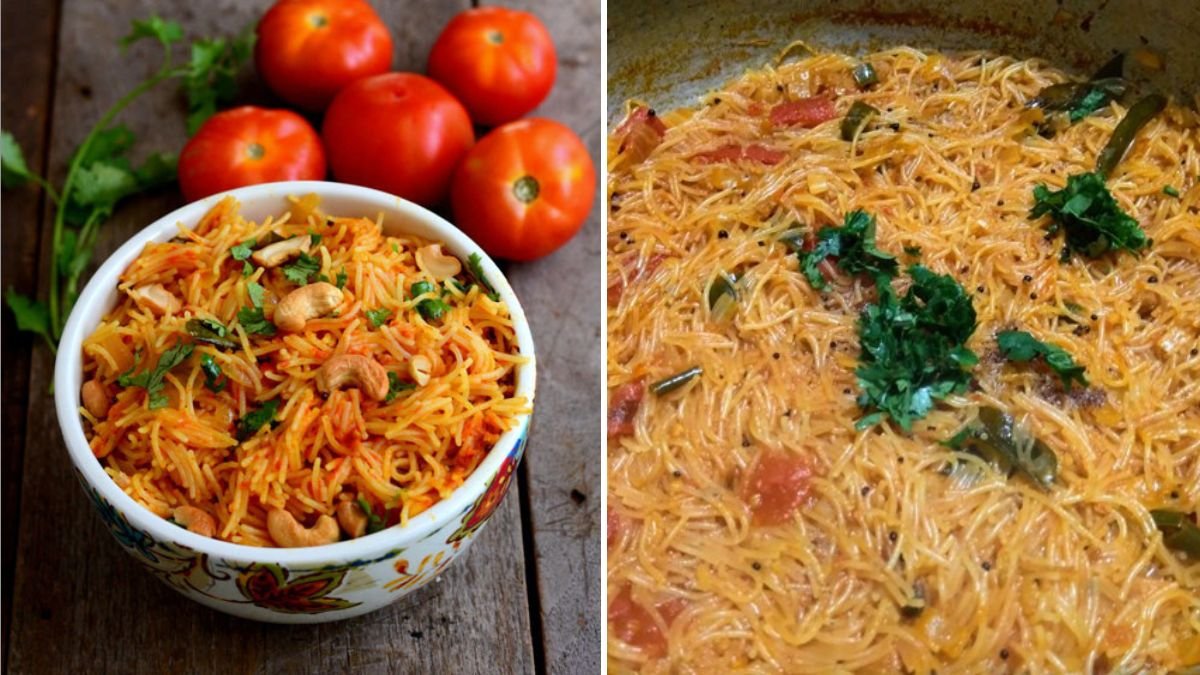
Vegetable Rava Upma is a classic South Indian breakfast dish that is light, healthy, and packed with flavor. Made with semolina (rava/sooji), fresh vegetables, and aromatic spices, this dish is not only quick to prepare but also perfectly balanced for a nutritious start to the day. Its soft, fluffy texture and subtle spices make it a favorite among adults and kids alike.
This 7-step guide will walk you through making authentic South Indian Vegetable Rava Upma, ensuring it’s aromatic, wholesome, and restaurant-quality every time.
Step 1: Gather Fresh Ingredients
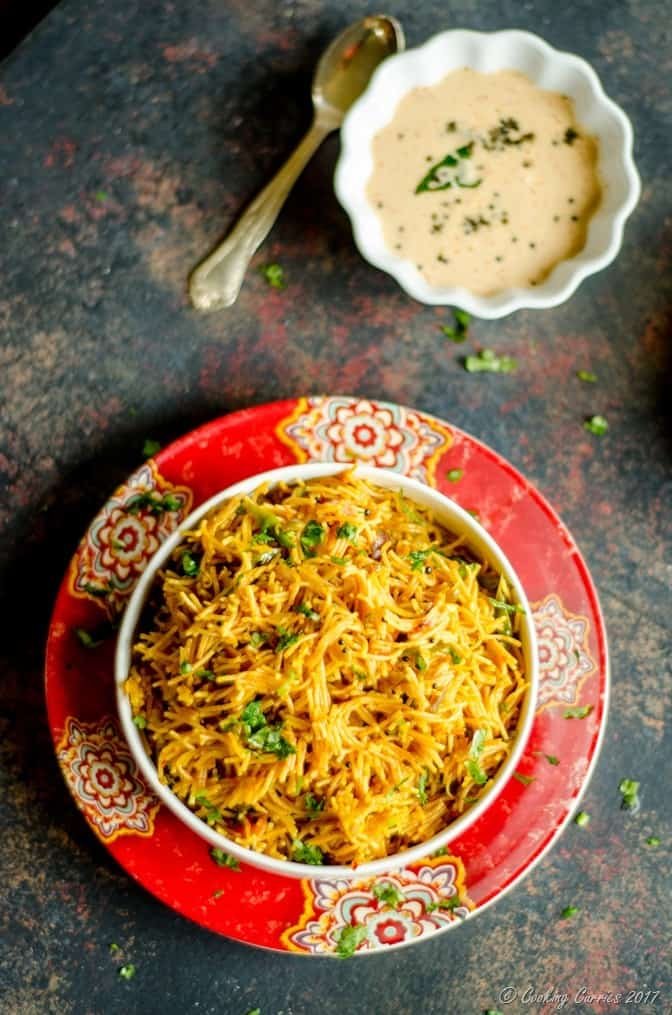
The foundation of a flavorful Vegetable Rava Upma lies in using fresh semolina, crisp vegetables, and fragrant spices.
Ingredients:

- 1 cup rava/semolina (sooji)
- 2–3 cups water (depending on desired consistency)
- 1 cup mixed vegetables (carrots, beans, peas, capsicum), finely chopped
- 1 medium onion, finely chopped (optional)
- 2–3 green chilies, slit
- 1 tsp ginger, finely chopped
- 2–3 tbsp oil or ghee
- 1 tsp mustard seeds
- 1 tsp urad dal
- 1 tsp chana dal
- 8–10 curry leaves
- 1–2 tbsp fresh coriander leaves, chopped
- Salt to taste
- Optional: 1–2 tbsp grated coconut for garnish
Pro Tip: Fresh vegetables and aromatic curry leaves make the upma flavorful without needing heavy spices.
Step 2: Roast the Semolina
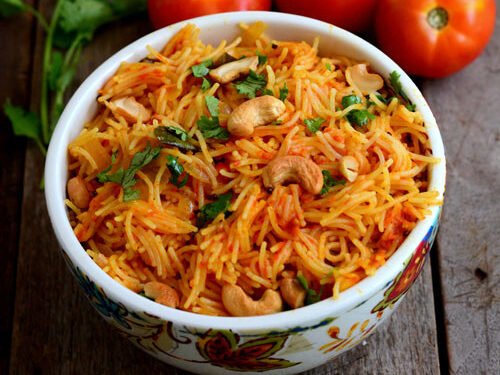
Roasting semolina gives the upma a nutty aroma and prevents it from becoming sticky:
- Heat 2 tbsp oil or ghee in a pan on medium heat.
- Add 1 cup semolina and roast for 5–6 minutes, stirring constantly until light golden and aromatic.
- Remove and set aside.
Pro Tip: Ensure semolina doesn’t brown too much; it should stay light for a soft, fluffy texture.
Step 3: Temper Spices and Aromatics
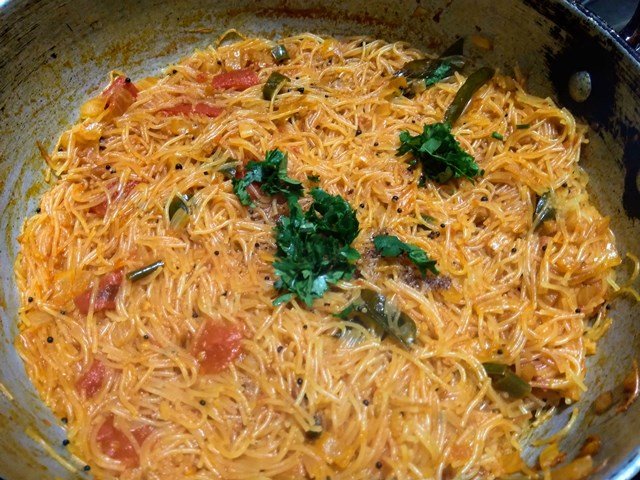
Tempering spices in oil releases essential flavors that define authentic South Indian upma:

- In the same pan, heat 2 tbsp oil or ghee.
- Add mustard seeds and allow them to splutter.
- Add urad dal, chana dal, and curry leaves; sauté until golden brown.
- Add chopped green chilies and ginger; sauté for another 1–2 minutes.
- Optional: Add chopped onions and sauté until translucent.
Pro Tip: This tempering step is crucial for creating the signature South Indian flavor profile.
Step 4: Cook the Vegetables
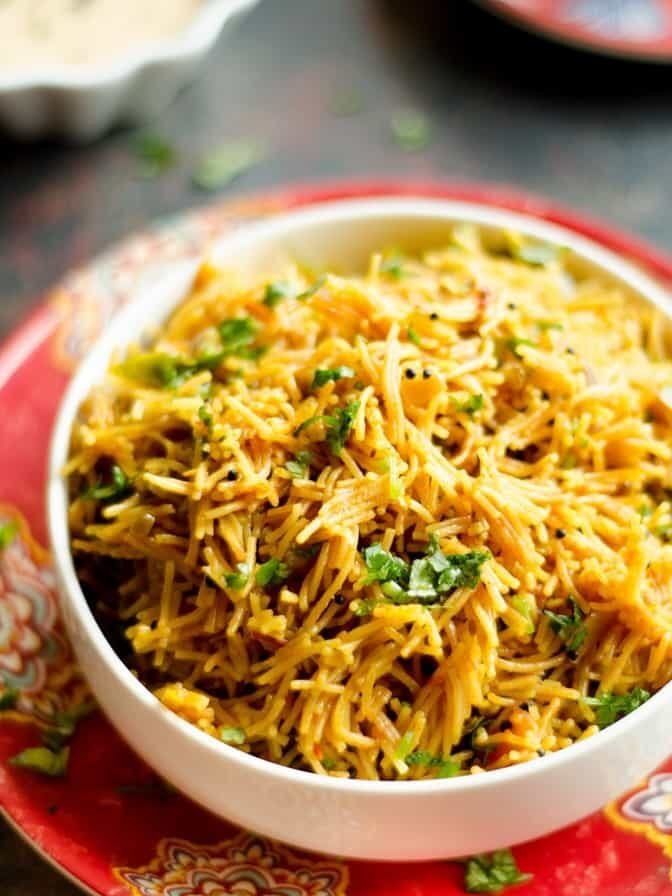
Adding vegetables enhances nutrition, color, and texture:
- Add finely chopped vegetables to the pan.
- Stir well and cook for 3–5 minutes until slightly tender.
- Add salt to taste.
Pro Tip: Cut vegetables uniformly to ensure even cooking and a visually appealing upma.
Step 5: Boil Water and Cook Semolina
Water-to-semolina ratio determines the texture of the upma:

- Add 2–3 cups of water to the pan with vegetables and bring to a boil.
- Slowly add roasted semolina while stirring continuously to avoid lumps.
- Reduce heat to low and cover the pan with a lid.
- Cook for 5–7 minutes, stirring occasionally until water is absorbed and upma is fluffy.
Pro Tip: Stir gently while adding semolina to prevent lumps and achieve a smooth, soft texture.
Step 6: Garnish and Add Final Touches
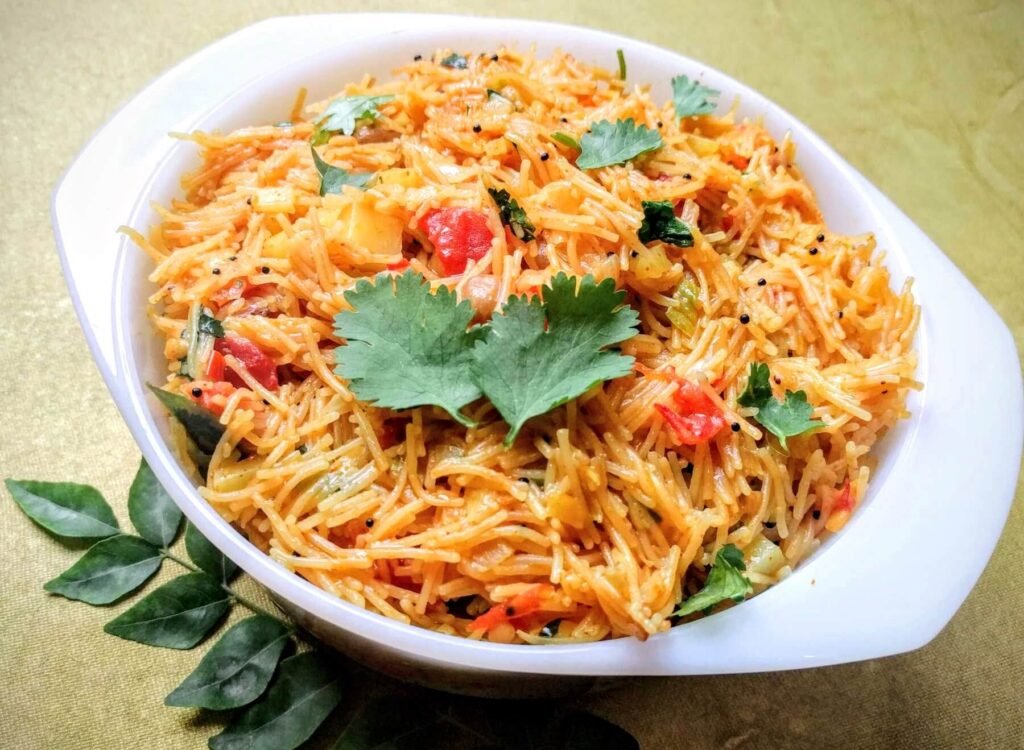
Garnishing elevates flavor and visual appeal:
- Add chopped coriander leaves and mix gently.
- Optional: Sprinkle grated coconut on top for extra aroma and texture.
- Optional: Add a small dollop of ghee on top for richness.
Pro Tip: Fresh garnishes like coriander and coconut provide a burst of flavor and a vibrant presentation.
Step 7: Serve Hot with Accompaniments
Vegetable Rava Upma is best enjoyed hot and fresh:

- Serve with coconut chutney or tomato chutney for authentic South Indian flavor.
- Optional: Pair with sambar for a more filling breakfast.
- For a light meal, enjoy upma on its own with a cup of tea or coffee.
Pro Tip: Reheat gently if packing for lunch or meal prep; add a few drops of water to restore softness.
Tips for Perfect South Indian Vegetable Rava Upma
- Use Fresh Semolina: Gives a fluffy, non-sticky texture.
- Correct Water Ratio: 2–3 cups of water per 1 cup semolina works best; adjust based on desired consistency.
- Uniformly Chopped Vegetables: Ensures even cooking and vibrant presentation.
- Gentle Stirring: Prevents lumps and maintains soft, fluffy grains.
- Flavor Layering: Tempering spices and sautéing vegetables before adding semolina enhances taste.
- Optional Additions: Cashews or roasted peanuts add crunch and richness.
- Serve Immediately: Upma tastes best fresh but reheats well for meal prep or lunchboxes.
Why Vegetable Rava Upma is a South Indian Favorite
- Quick and Easy: Ready in under 30 minutes, perfect for busy mornings.
- Healthy and Nutritious: Packed with vegetables, protein from dals, and fiber.
- Light Yet Filling: Ideal breakfast that provides energy without heaviness.
- Kid-Friendly: Mild spices and colorful vegetables appeal to children.
- Versatile: Can be enjoyed for breakfast, brunch, or even a light dinner.
Vegetable Rava Upma is a staple in South Indian households because it’s healthy, comforting, and quick to prepare.
Serving Suggestions
- With Chutney: Coconut chutney, tomato chutney, or mint chutney complements the flavors.
- With Sambar: Pair with sambar for a traditional South Indian breakfast platter.
- Snack or Brunch: Serve as a mid-morning snack or brunch with tea or coffee.
- Lunchbox Option: Pack with a small container of chutney for a balanced meal on the go.
Pro Tip: Upma can be made slightly firmer if planning to pack for lunch, so it reheats well without becoming mushy.
Health Benefits of Vegetable Rava Upma
- Fiber-Rich: Semolina and vegetables aid digestion.
- Low in Fat: Minimal oil or ghee makes it a light and healthy meal.
- Vitamin-Packed: Vegetables provide essential vitamins and antioxidants.
- Protein Source: Urad dal and chana dal add plant-based protein.
- Digestive Aid: Ginger and curry leaves support digestion and add flavor.
Vegetable Rava Upma is not only delicious but also nutritious, making it a perfect choice for healthy eating.

Final Thoughts: Master South Indian Vegetable Rava Upma in 7 Steps
This 7-step guide makes it easy to prepare authentic South Indian Vegetable Rava Upma that’s fluffy, flavorful, and wholesome. From roasting semolina and tempering spices to cooking vegetables and garnishing, every step ensures a restaurant-quality breakfast at home.
Whether served for breakfast, brunch, or a light dinner, this upma is quick, satisfying, and packed with nutrients. Paired with chutney or sambar, it becomes a complete meal that’s perfect for families, kids, and busy professionals alike.