
Thanksgiving is a time for family, gratitude, and delicious food. While traditional dishes like turkey, stuffing, and mashed potatoes dominate the table, adding an international twist with vegetarian biryani can make your holiday feast even more memorable. This Thanksgiving Veg Biryani combines aromatic spices, seasonal vegetables, and fragrant basmati rice to create a dish that’s both hearty and comforting, perfect for American homes seeking a flavorful vegetarian option.
In this 6-step guide to preparing Thanksgiving Veg Biryani, we’ll walk you through each stage, from prepping your ingredients to layering flavors, ensuring a vibrant, aromatic, and visually stunning dish.
Why Veg Biryani Works for Thanksgiving
Biryani, traditionally a South Asian rice dish, is celebrated for its complex flavors, vibrant colors, and satisfying texture. Incorporating it into Thanksgiving provides:
- A vegetarian-friendly option that everyone can enjoy.
- A nutrient-packed dish with vegetables, protein, and aromatic spices.
- A unique holiday twist that stands out on a traditional American table.
- An all-in-one meal with rice, vegetables, and spices offering a balanced combination.
This Thanksgiving, the aromatic herbs, saffron-infused rice, and roasted vegetables will impress guests while complementing traditional holiday favorites.

Step 1: Gather Fresh Ingredients

The foundation of a flavorful biryani lies in fresh, high-quality ingredients. Choosing seasonal vegetables ensures the dish is colorful, flavorful, and nutritious.
Ingredients for Veg Biryani:
- 2 cups basmati rice, rinsed and soaked for 30 minutes
- 1 cup carrots, diced
- 1 cup green beans, chopped
- 1 cup peas
- 1 medium potato, diced
- 1 cup bell peppers, chopped
- 1 medium onion, thinly sliced
- 3 cloves garlic, minced
- 1-inch piece of ginger, grated
- 2 tablespoons ghee or olive oil
- 1 teaspoon cumin seeds
- 2–3 green chilies, slit
- 1 teaspoon turmeric powder
- 1 teaspoon garam masala
- ½ teaspoon saffron strands soaked in 2 tablespoons warm milk
- Salt to taste
- Fresh cilantro and mint leaves for garnish
Pro Tip: You can also include seasonal vegetables like squash or Brussels sprouts for a Thanksgiving twist.
Step 2: Cook the Rice

Properly cooked rice is key to a fluffy and aromatic biryani. Basmati rice, with its long grains and fragrant aroma, is ideal for this dish.
Instructions:
- Bring a large pot of water to a boil and add salt.
- Add soaked rice and cook until 70% done—grains should be tender but slightly firm.
- Drain and set aside.
Pro Tip: Parboiling rice ensures it doesn’t overcook during the final layering stage, keeping the grains separate and fluffy.

Step 3: Sauté Aromatics and Vegetables

This step builds the base flavor for your biryani. Properly sautéed aromatics and spices are essential for a rich, complex taste.
Instructions:
- Heat ghee or olive oil in a large skillet over medium heat.
- Add cumin seeds and let them sizzle for a few seconds.
- Sauté onions until golden brown and caramelized.
- Stir in garlic, ginger, and green chilies; cook for 1–2 minutes.
- Add diced vegetables, turmeric, and salt. Cook for 5–7 minutes until vegetables are slightly tender.
- Sprinkle garam masala and toss well to coat.
Tip: For a richer flavor, roast the vegetables lightly before adding to the pan. This brings out natural sweetness and depth.
Step 4: Layer the Biryani
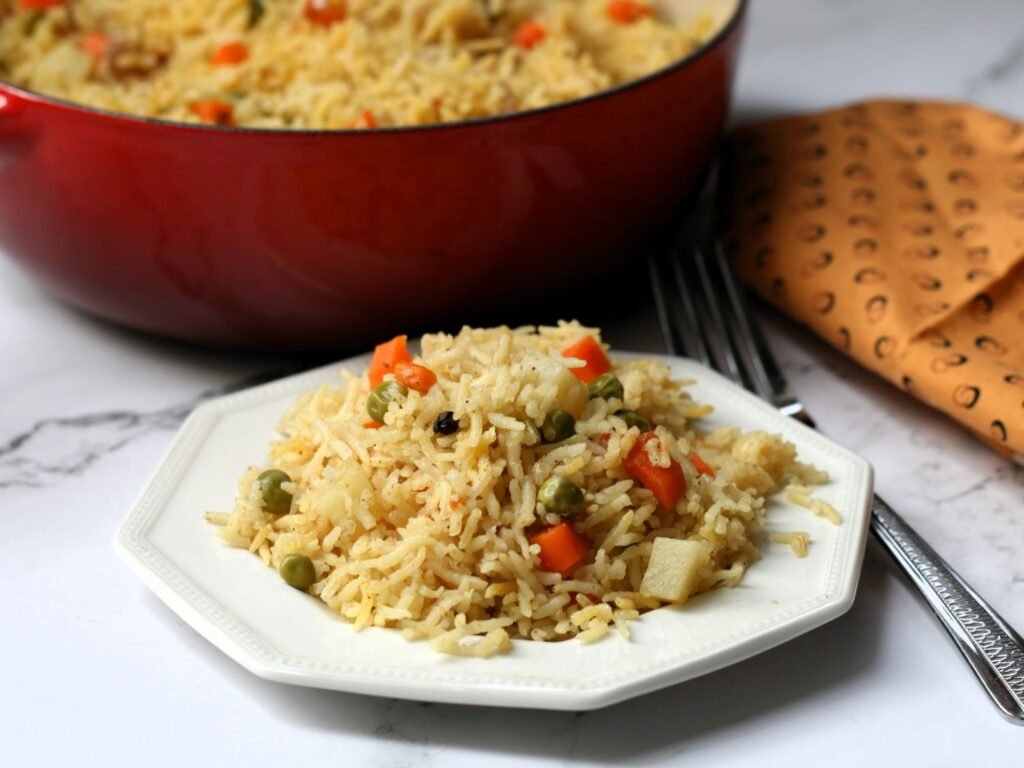
Layering is the secret to a visually appealing and flavorful biryani. Alternating layers of rice and vegetables allows flavors to meld beautifully.
Instructions:
- In a large, heavy-bottomed pot, spread half of the partially cooked rice evenly.
- Layer half of the sautéed vegetable mixture on top.
- Sprinkle half of the saffron-infused milk, fresh mint, and cilantro.
- Repeat layers with remaining rice and vegetables, finishing with saffron milk and herbs on top.
Pro Tip: Use a spatula to gently level each layer without crushing the rice, preserving the texture and graininess of basmati rice.

Step 5: Dum Cooking for Flavors to Meld
Dum cooking, or slow steaming, allows the flavors of the biryani to infuse the rice fully while keeping it moist.
Instructions:
- Cover the pot with a tight-fitting lid or aluminum foil to trap steam.
- Cook on low heat for 15–20 minutes.
- Check for doneness—rice should be fully cooked and vegetables tender.
Optional: Place a small heat diffuser or tawa under the pot to prevent direct heat from burning the rice at the bottom.
Tip: Do not stir while dum cooking; this preserves layers and texture.
Step 6: Garnish and Serve
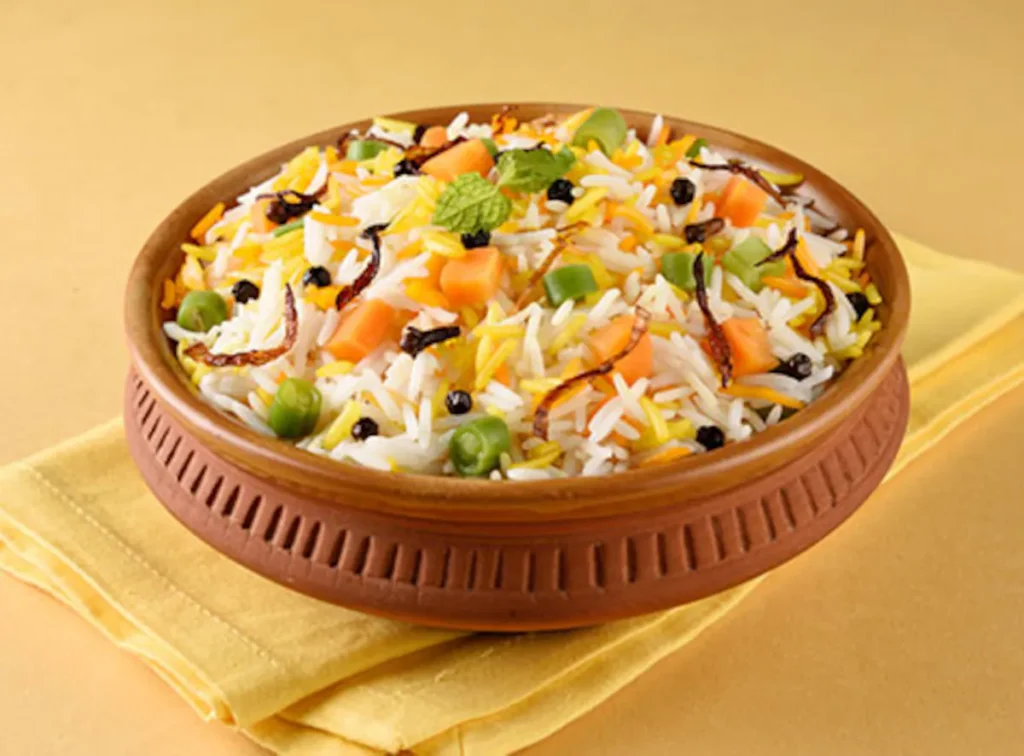
Presentation enhances the appeal of Thanksgiving dishes. A well-garnished biryani not only tastes amazing but looks festive and inviting.

Serving Suggestions:
- Garnish with fresh cilantro, mint, and fried onions for aroma and texture.
- Serve with a side of raita, yogurt, or a simple cucumber salad.
- Pair with roasted Thanksgiving vegetables or bread rolls for a fusion holiday feast.
Tip: For a touch of elegance, sprinkle a few toasted cashews or golden raisins on top.
Bonus Tips for the Perfect Thanksgiving Veg Biryani
- Use Fresh Herbs: Cilantro and mint elevate flavors and add freshness.
- Season in Layers: Add salt and spices gradually for balanced taste.
- Customize Vegetables: Use seasonal produce to add a Thanksgiving twist.
- Enhance Aroma: A few drops of rose water or kewra water can make it more festive.
- Avoid Overcooking Rice: Parboiling ensures the rice remains fluffy after steaming.
Health Benefits of Veg Biryani
This dish is not only delicious but also nutrient-rich:
- High in Fiber: Vegetables and basmati rice aid digestion.
- Packed with Vitamins: Carrots, peas, and bell peppers provide vitamin A, C, and antioxidants.
- Plant-Based Protein: Vegetables and optional legumes contribute to a balanced diet.
- Low in Saturated Fat: Using olive oil or ghee in moderation keeps it heart-friendly.
Why Thanksgiving Veg Biryani Is a Crowd-Pleaser
This vegetarian biryani recipe fits perfectly on a Thanksgiving table:
- Inclusive: Accommodates vegetarians and guests seeking lighter options.
- Flavorful: Aromatic spices and saffron-infused rice make it a centerpiece dish.
- Colorful: Vibrant vegetables enhance the holiday table’s visual appeal.
- Versatile: Works as a main course or festive side alongside traditional Thanksgiving dishes.
Final Thoughts: Celebrate Thanksgiving with Veg Biryani
This 6-step guide to preparing Thanksgiving Veg Biryani offers a simple yet elegant recipe that elevates your holiday feast. The combination of aromatic basmati rice, roasted or sautéed vegetables, and fragrant spices ensures each bite is flavorful and comforting.

Adding Veg Biryani to your Thanksgiving menu provides a unique, hearty, and visually stunning vegetarian dish that everyone will love. Its versatility, nutrient-rich profile, and fusion of flavors make it an excellent complement to traditional American holiday dishes, creating a memorable and inclusive Thanksgiving meal.
Whether served as the main dish or alongside roasted turkey, mashed potatoes, or stuffing, this biryani adds a touch of international flair while keeping the essence of comfort and celebration intact.