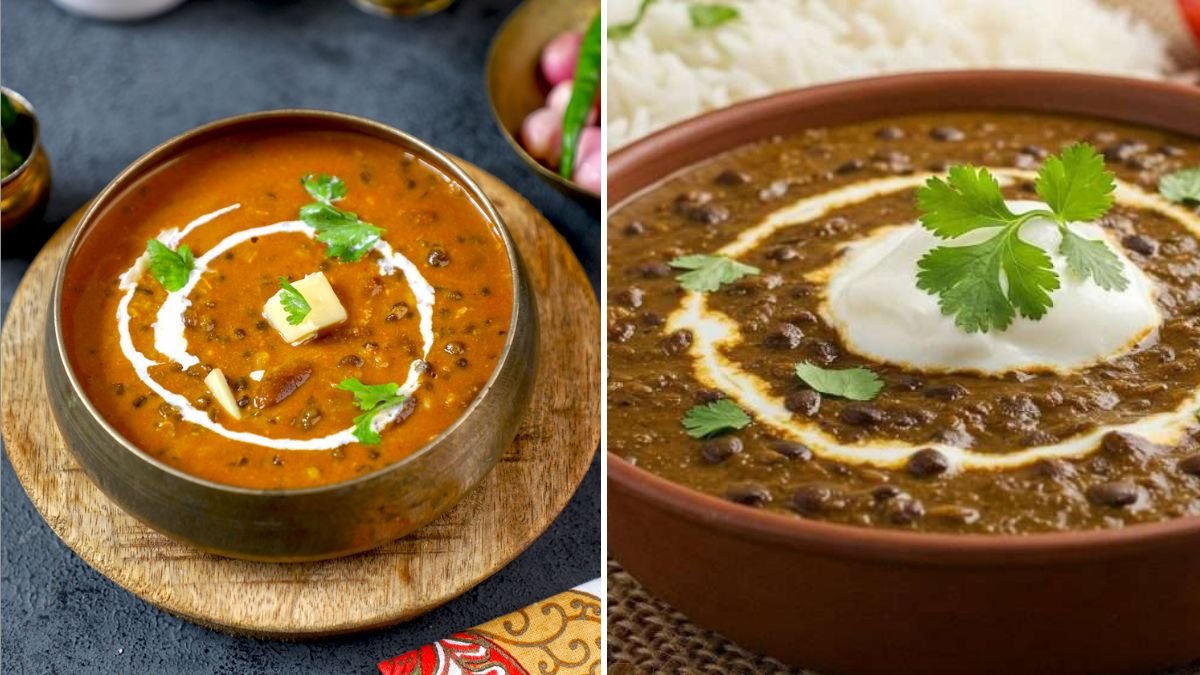
Dal Makhani is one of the most beloved dishes in Indian cuisine. Known for its rich, creamy texture, smoky flavor, and comforting warmth, it’s a staple at festive dinners, restaurant menus, and home-cooked meals alike. Traditionally, it’s made with cream to achieve that luxurious texture. But what if you want a lighter, healthier version without compromising on taste? This guide shows you how to make perfect dal makhani without cream in 7 simple steps, ensuring rich flavor, smooth texture, and hearty satisfaction.
Step 1: Gather Fresh Ingredients
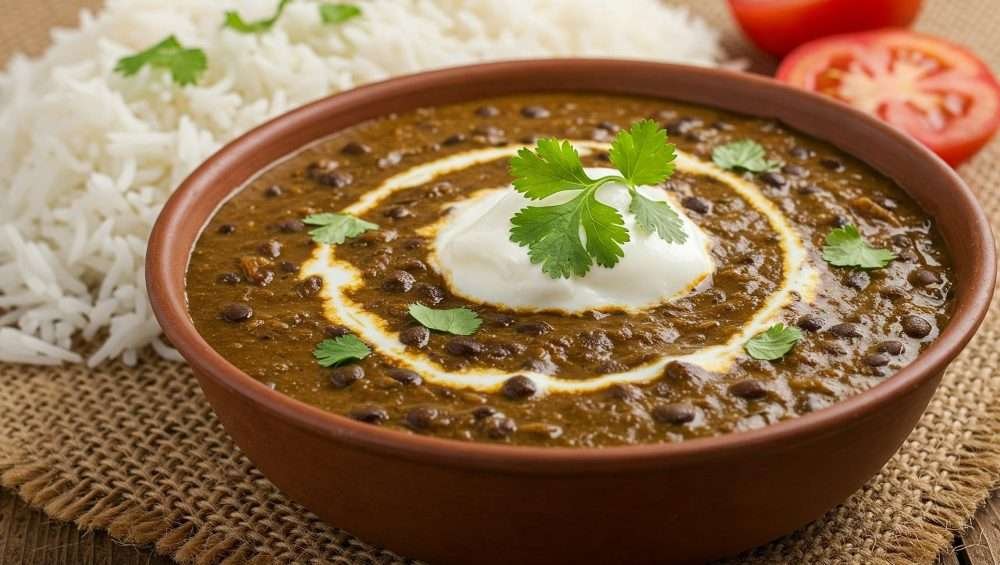
The foundation of delicious dal makhani lies in using quality ingredients.
Ingredients:
- Whole Black Urad Dal (Whole Black Lentils): 1 cup
- Rajma (Kidney Beans): ¼ cup
- Onions: 1 medium, finely chopped
- Tomatoes: 2 medium, pureed or finely chopped
- Ginger-Garlic Paste: 1 tablespoon
- Green Chilies: 2, slit or chopped
- Butter or Ghee: 2 tablespoons
- Spices:
- Cumin Seeds – 1 teaspoon
- Turmeric Powder – ½ teaspoon
- Red Chili Powder – 1 teaspoon
- Garam Masala – 1 teaspoon
- Coriander Powder – 1 teaspoon
- Kasuri Methi (Dried Fenugreek Leaves) – 1 teaspoon
- Salt – to taste
- Water: 4–5 cups
- Milk or Yogurt (optional): ¼ cup for creaminess without actual cream
- Fresh Coriander Leaves: For garnish
Tip: Soaking lentils overnight ensures faster cooking and smooth texture.
Step 2: Soak and Cook the Lentils
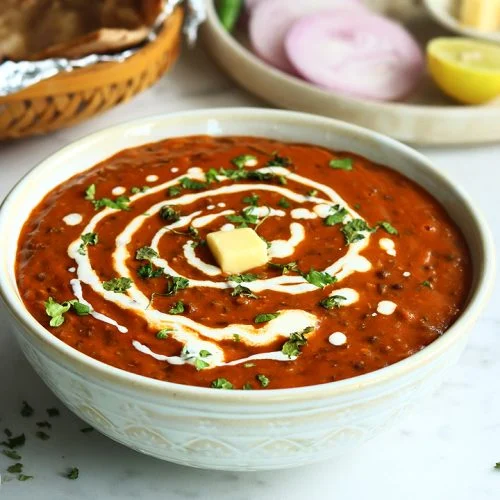
Proper soaking and slow cooking are crucial for creamy, tender dal.

Instructions:
- Wash 1 cup urad dal and ¼ cup rajma thoroughly.
- Soak them overnight (6–8 hours) in enough water.
- Drain and rinse before cooking.
- Pressure cook or boil with 4–5 cups of water, ½ teaspoon turmeric, and a pinch of salt:
- Pressure Cooker: 4–5 whistles on medium flame
- Stovetop: Simmer for 1–1.5 hours until lentils are soft and creamy
Tip: Use the water from the first boil to adjust consistency. Slow cooking enhances flavor and natural creaminess.
Step 3: Prepare the Base Masala
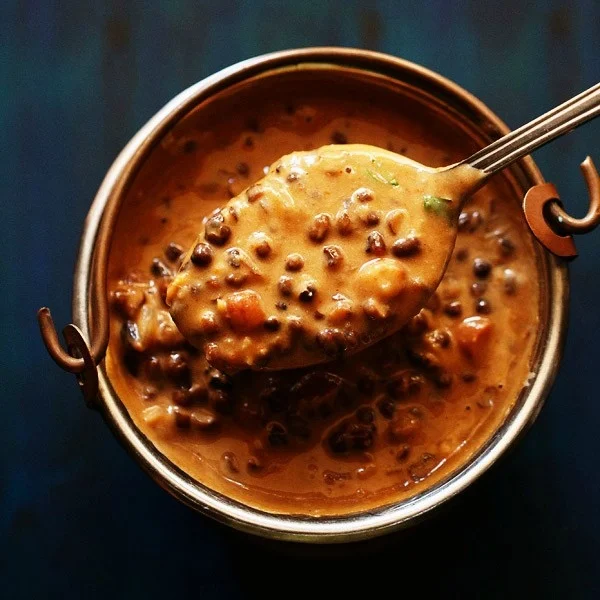
A well-cooked masala is what gives dal makhani its signature richness.
Instructions:
- Heat 2 tablespoons butter or ghee in a pan.
- Add 1 teaspoon cumin seeds; let them splutter.
- Add finely chopped onions and sauté until golden brown.
- Stir in ginger-garlic paste and sauté until raw aroma disappears.
- Add chopped tomatoes or tomato puree, and cook until oil separates from the mixture.
- Add red chili powder, coriander powder, and a pinch of salt. Mix well and cook for 2–3 minutes.
Tip: Cooking the masala slowly on low-medium heat brings out deep flavors without bitterness.
Step 4: Combine Lentils with Masala
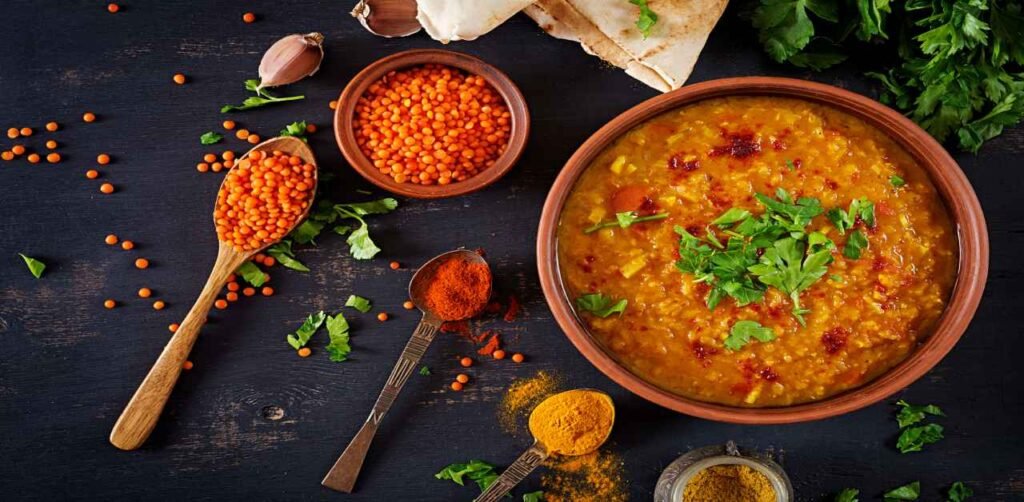
Integrating cooked lentils into the masala creates the creamy, hearty base of dal makhani.

Instructions:
- Add cooked lentils and their cooking water into the prepared masala.
- Mix well using a spoon, mashing a few lentils gently for extra creaminess.
- Simmer on low flame for 15–20 minutes, stirring occasionally to prevent sticking.
Tip: The longer the dal simmers on low heat, the more the flavors meld together, producing a restaurant-style taste.
Step 5: Add Flavor Enhancers
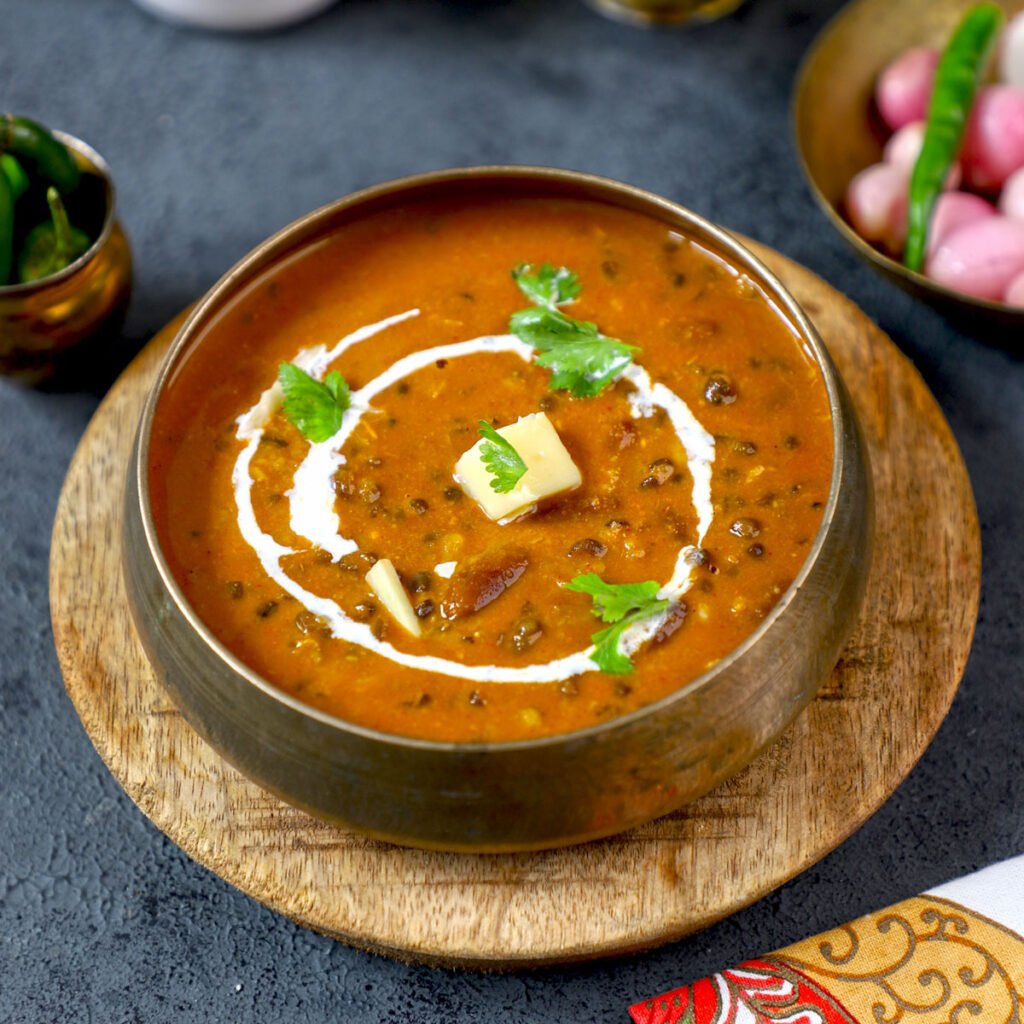
Even without cream, dal makhani can have rich and indulgent flavors.
Instructions:
- Add 1 teaspoon garam masala for warmth.
- Crumble 1 teaspoon kasuri methi with your fingers and sprinkle over the dal.
- Optional: Add ¼ cup warm milk or yogurt to enhance creaminess naturally without using heavy cream.
- Adjust salt and spice levels according to taste.
Tip: Kasuri methi gives dal makhani its signature aroma and depth of flavor, even without cream.
Step 6: Final Touch and Simmer
The final simmer allows all the ingredients to blend perfectly and achieve smooth texture.

Instructions:
- Cover the pan and simmer on very low heat for another 10–15 minutes.
- Stir occasionally to prevent sticking at the bottom.
- Ensure consistency is thick, but not overly dry; adjust water if necessary.
- For extra richness, swirl in 1 teaspoon butter just before serving.
Tip: Slow cooking and a final touch of butter create the creamy, velvety texture traditionally achieved with cream.
Step 7: Serve and Garnish
Presentation and accompaniments elevate the dining experience.
Instructions:
- Transfer the dal makhani to a serving bowl.
- Garnish with fresh coriander leaves and a small dollop of butter if desired.
- Serve hot with:
- Steamed Basmati Rice for a classic combination
- Indian Breads: Naan, roti, or paratha
- Side Accompaniments: Salad, pickle, or yogurt
Tip: Dal makhani tastes even better the next day after flavors have fully melded.
Extra Tips for Perfect Dal Makhani
- Slow Cooking: Low and slow simmering enhances flavor and creaminess.
- Use Quality Lentils: Whole urad dal and rajma produce the richest texture.
- Masala Preparation: Cook the tomato-onion masala until oil separates for deep flavor.
- Avoid Excess Water: The dal should be creamy, not watery.
- Spices Balance: Adjust chili and garam masala for personal taste.
- No Cream Needed: Use milk, yogurt, or butter for richness instead of heavy cream.
Common Mistakes to Avoid
- Rushing Lentil Cooking: Under-cooked lentils can ruin texture.
- Skipping Slow Simmering: Dal makhani requires time for flavors to develop.
- Adding Cream: For a lighter version, avoid cream; richness can be achieved with slow cooking and butter.
- Over-Spicing: Too much chili can overpower the subtle flavors.
- Neglecting Garnish: Fresh coriander and butter enhance aroma and presentation.
Tip: Patience and attention to detail are key to replicating restaurant-style dal makhani at home.

Healthier Variations
- Use low-fat milk or yogurt for creaminess.
- Reduce butter or ghee to lower calories.
- Serve with brown rice or quinoa for added nutrition.
- Include finely chopped vegetables like carrots or peas for extra fiber.
Tip: Even with healthier adaptations, slow cooking ensures rich flavor without heavy cream.
Serving Suggestions
- Pair with steamed basmati rice and ghee for traditional North Indian meals.
- Serve with naan, roti, or paratha for festive occasions.
- Garnish with lemon wedges or finely chopped onions for a refreshing contrast.
- Make it part of a thali meal with salad, pickle, and raita.
Tip: Dal makhani is perfect for dinner parties, special occasions, or casual family meals.
Final Thoughts
Making dal makhani without cream is entirely possible without compromising on taste or texture. By following this 7-step guide—gathering ingredients, soaking and cooking lentils, preparing masala, combining and simmering, adding flavor enhancers, final simmer, and garnishing—you can achieve rich, velvety, and flavorful dal makhani that rivals any restaurant.
This healthier version retains all the classic flavors while being lighter and more digestible. Serve it with rice, naan, or roti, and you’ll have a hearty, comforting meal that is both satisfying and wholesome. With patience, quality ingredients, and attention to detail, you can master this iconic Indian dish in your own kitchen.