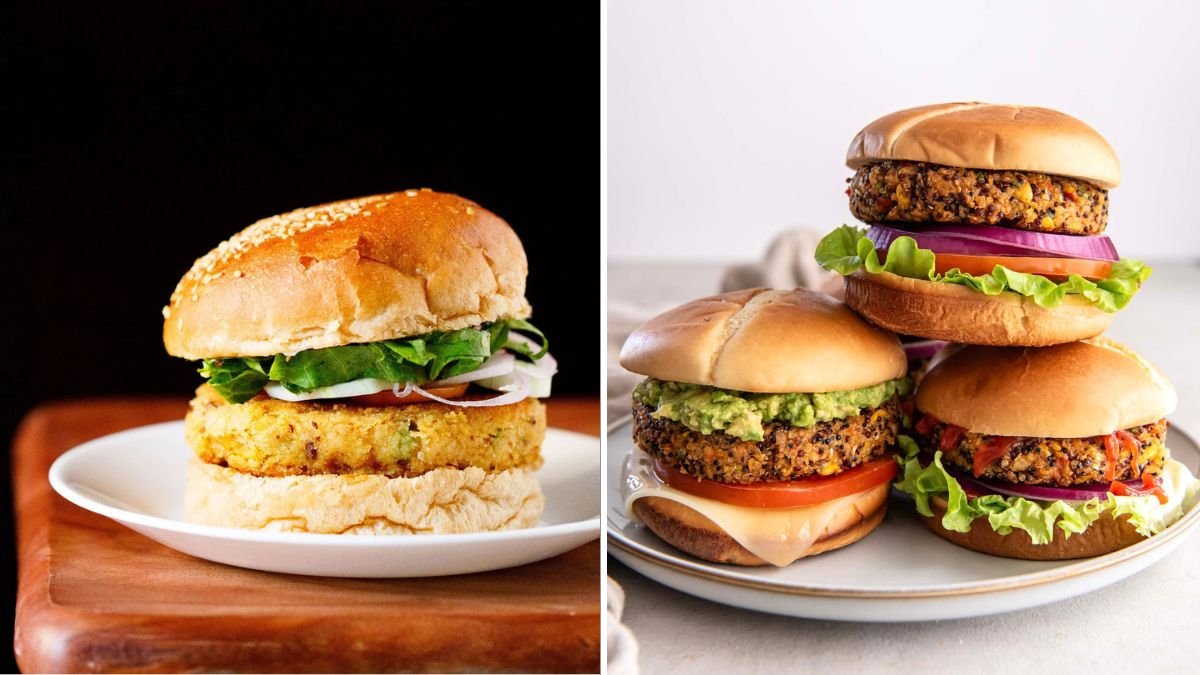
Vegetable burger patties are a delicious, nutritious, and versatile option for anyone looking to enjoy a homemade burger without the meat. Whether you’re a vegetarian, vegan, or simply want to add more plant-based meals to your diet, making vegetable burger patties at home allows you to control ingredients, flavor, and nutrition.
This 7-step guide will show you how to make crispy, flavorful, and perfectly shaped vegetable burger patties right in your kitchen, using ingredients readily available in American grocery stores.
Why Homemade Vegetable Burger Patties Are Perfect for American Kitchens
- Healthy and Nutrient-Dense: Packed with vegetables, legumes, and whole grains.
- Customizable Flavors: Adjust spices, herbs, and seasoning to suit your taste.
- Quick and Easy: Ready in 30–40 minutes, perfect for weeknight dinners.
- Kid-Friendly: Crispy, savory patties appeal to children and adults alike.
- Versatile Serving Options: Serve in a bun, over a salad, or as a snack.
Homemade veggie patties are not just tasty—they’re also healthier than store-bought alternatives, which often contain preservatives and excess sodium.
Step 1: Gather Your Ingredients
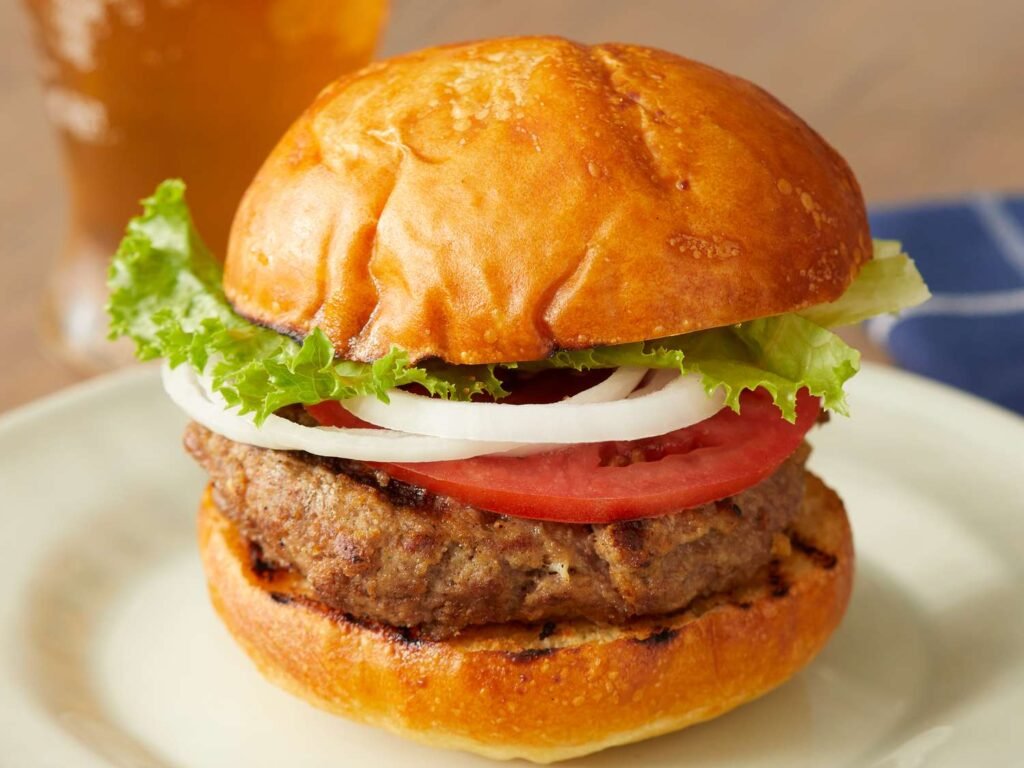
To make flavorful and sturdy vegetable burger patties, gather a combination of fresh vegetables, legumes, and binding ingredients:
Vegetables:

- 1 cup carrots, grated
- 1 cup zucchini, grated (squeeze out excess water)
- 1 cup corn kernels (fresh, frozen, or canned)
- ½ cup green peas (optional)
- 1 small onion, finely chopped
- 2–3 garlic cloves, minced
Legumes and Binders:
- 1 cup cooked chickpeas, black beans, or lentils (mashed)
- ½ cup breadcrumbs (whole wheat or gluten-free)
- 1–2 tablespoons flaxseed meal or egg substitute (for binding, optional)
Spices and Herbs:
- 1 teaspoon paprika
- 1 teaspoon cumin powder
- ½ teaspoon black pepper
- 1 teaspoon dried oregano or mixed Italian herbs
- Salt to taste
- 2 tablespoons fresh cilantro or parsley, chopped
Optional:
- 1–2 tablespoons olive oil for shallow frying or baking
- Burger buns, lettuce, tomato, cheese, or condiments for serving
Pro Tip: Make sure to remove excess moisture from vegetables like zucchini and carrots to prevent soggy patties.
Step 2: Prepare and Cook Vegetables
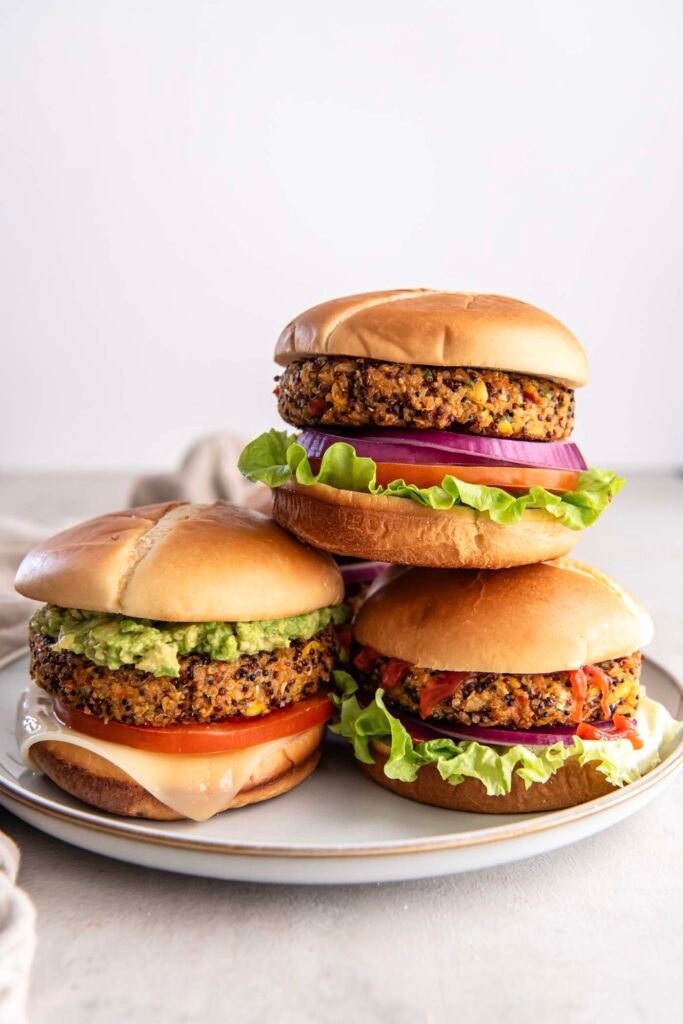
Cooking vegetables slightly enhances flavor and helps bind the patties:

- Heat 1 tablespoon oil in a skillet over medium heat.
- Add onions, garlic, carrots, zucchini, and corn.
- Sauté for 5–7 minutes until vegetables are slightly softened.
- Season lightly with salt, pepper, and a pinch of paprika.
- Let the mixture cool slightly before combining with other ingredients.
Pro Tip: For extra flavor, roast vegetables in the oven at 400°F for 10 minutes instead of sautéing.
Step 3: Mash Legumes and Mix Ingredients
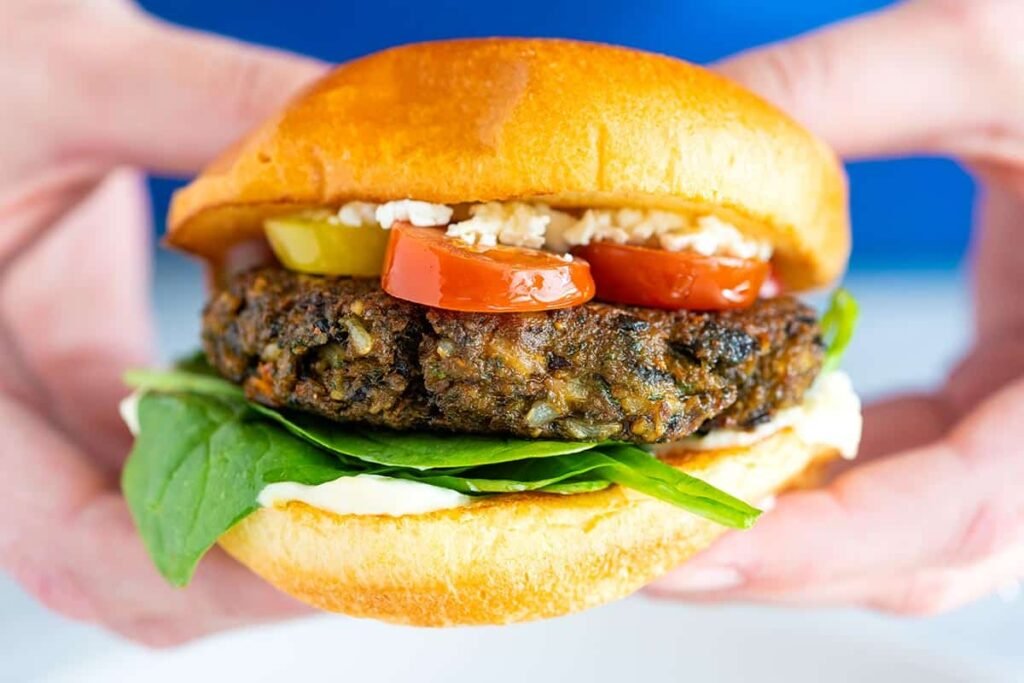
Legumes provide protein, texture, and binding properties:
- Mash cooked chickpeas, black beans, or lentils in a large bowl until mostly smooth, leaving some texture.
- Add sautéed vegetables, breadcrumbs, flaxseed meal (or egg substitute), and chopped herbs.
- Sprinkle spices evenly: paprika, cumin, black pepper, and dried herbs.
- Mix thoroughly until a sticky, uniform mixture forms that can hold together when shaped.
Pro Tip: If the mixture feels too wet, add extra breadcrumbs; if too dry, add a splash of water or non-dairy milk.
Step 4: Shape the Burger Patties
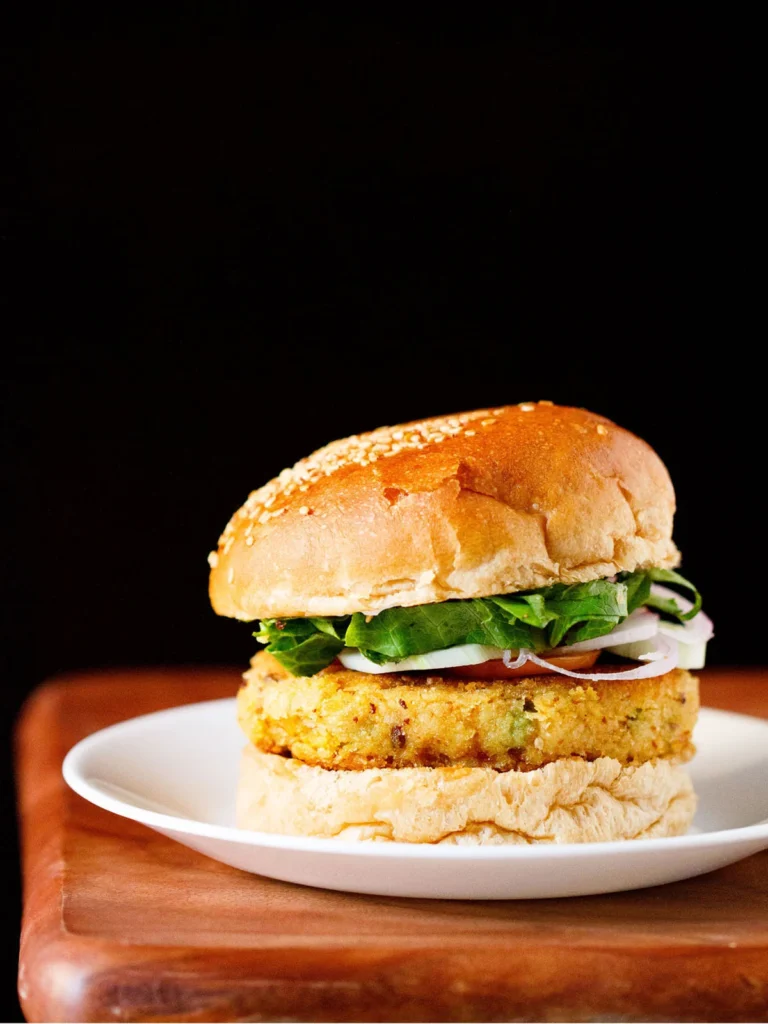
Shaping patties correctly ensures even cooking and appealing presentation:
- Divide the mixture into 6–8 portions.
- Roll each portion into a ball and flatten into a patty about ½ inch thick.
- Press gently to ensure edges are compact and smooth.
- Optional: Chill patties in the refrigerator for 10–15 minutes to firm them up before cooking.
Pro Tip: Use a spatula or burger press to make uniform patties that cook evenly.

Step 5: Cook the Patties
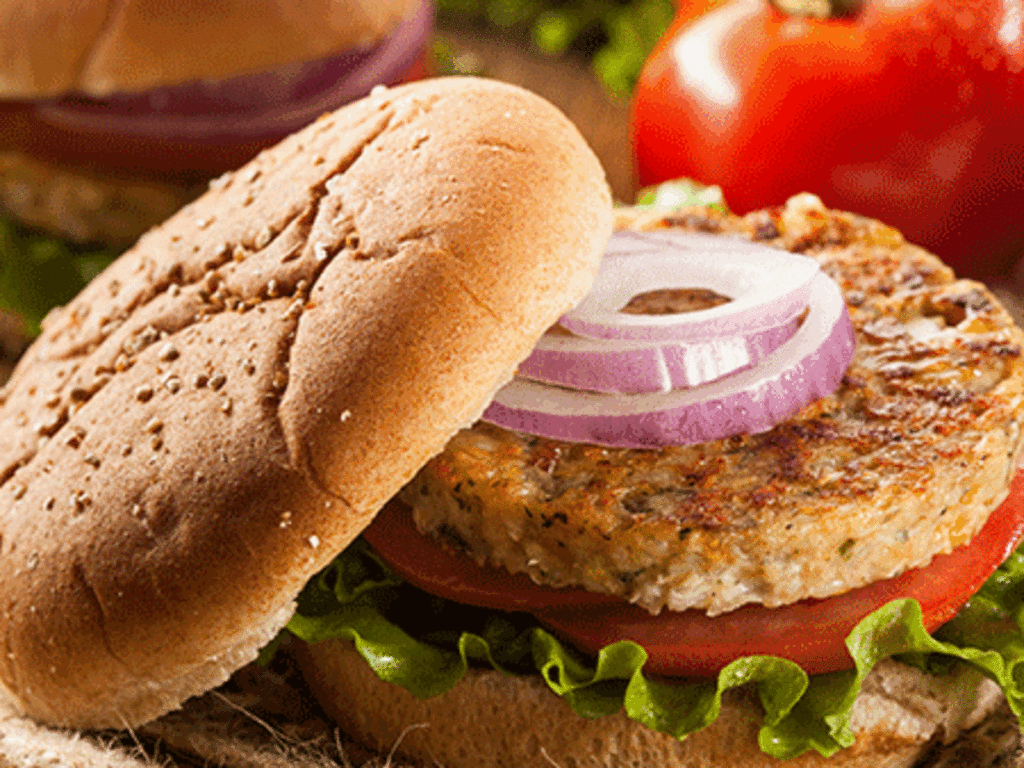
You can pan-fry, bake, or air-fry vegetable patties depending on your preference:
Pan-Frying Method:
- Heat 1–2 tablespoons oil in a non-stick skillet over medium heat.
- Place patties in the skillet and cook for 4–5 minutes per side until golden brown and crispy.
- Avoid overcrowding the pan to ensure even browning.
Baking Method:
- Preheat oven to 400°F (200°C).
- Place patties on a parchment-lined baking sheet.
- Lightly brush with olive oil and bake for 20–25 minutes, flipping halfway through.
Air-Frying Method:
- Preheat air fryer to 375°F (190°C).
- Place patties in the air fryer basket without overlapping.
- Cook for 10–12 minutes, flipping halfway through.
Pro Tip: For extra crispiness, coat patties lightly with breadcrumbs before cooking.

Step 6: Assemble the Burger
Serving homemade vegetable patties as burgers makes them fun and satisfying:
- Toast burger buns lightly for better texture and flavor.
- Spread your choice of condiments: ketchup, mustard, mayo, or avocado spread.
- Layer lettuce, tomato slices, and cheese (optional).
- Place the cooked vegetable patty on top and cover with the bun.
Pro Tip: For an American-style healthy twist, use whole-grain buns or lettuce wraps instead of traditional burger buns.
Step 7: Garnish and Serve
Presentation makes homemade burgers restaurant-quality at home:
- Serve hot with a side of sweet potato fries, baked potato wedges, or a fresh salad.
- Garnish with fresh herbs like parsley or cilantro for color.
- Optional: Sprinkle a little paprika or black pepper on top for added flavor.
Pro Tip: Serve immediately for best texture; patties can be kept warm in a low oven if preparing for multiple servings.
Tips for Making the Best Vegetable Burger Patties
- Balance Moisture: Squeeze excess water from vegetables to prevent soggy patties.
- Add Binding Agents: Flaxseed meal, breadcrumbs, or mashed legumes help the patties hold their shape.
- Spice Adjustments: Customize spices according to your preference—add chili powder for heat or smoked paprika for a smoky flavor.
- Crispy Edges: Pan-fry or air-fry for a crisp outer layer while keeping the inside soft.
- Batch Prep: Make extra patties, freeze, and cook later for quick meals.
Health Benefits of Vegetable Burger Patties
- High in Fiber: Vegetables and legumes provide essential dietary fiber.
- Plant-Based Protein: Chickpeas, beans, and lentils deliver protein for vegetarians and vegans.
- Low in Saturated Fat: Using minimal oil keeps the patties heart-healthy.
- Packed with Vitamins and Minerals: Carrots, zucchini, peas, and corn add vitamins A, C, and K.
- Kid-Friendly and Satisfying: Crispy, flavorful patties appeal to all ages and make vegetables fun to eat.
Vegetable burger patties are a perfect addition to a healthy, balanced diet while offering the flavor and satisfaction of traditional burgers.

Why Americans Love Homemade Vegetable Burger Patties
- Quick Weeknight Meal: Ready in under 40 minutes, perfect for families.
- Customizable Flavors: Spice levels, herbs, and ingredients can be adapted easily.
- Kid-Friendly: Crispy, flavorful patties make vegetables fun to eat.
- Versatile Serving Options: Serve in buns, wraps, salads, or as snack-sized sliders.
- Healthy and Wholesome: Plant-based, low in fat, and rich in nutrients.
Homemade veggie patties bring restaurant-style flavor to your kitchen while keeping meals healthy, affordable, and fun.
Final Thoughts
Making vegetable burger patties at home is simple, rewarding, and healthier than store-bought alternatives. By following these **seven easy steps—gathering ingredients, preparing and cooking vegetables, mashing legumes, shaping patties, cooking, assembling, and garnishing—you can enjoy crispy, flavorful, and nutritious veggie burgers in your own kitchen.
Serve with whole-grain buns, fresh toppings, and healthy sides for a complete meal that’s satisfying, flavorful, and family-friendly. Homemade vegetable patties are a versatile addition to American kitchens looking for plant-based, protein-packed, and delicious meals.