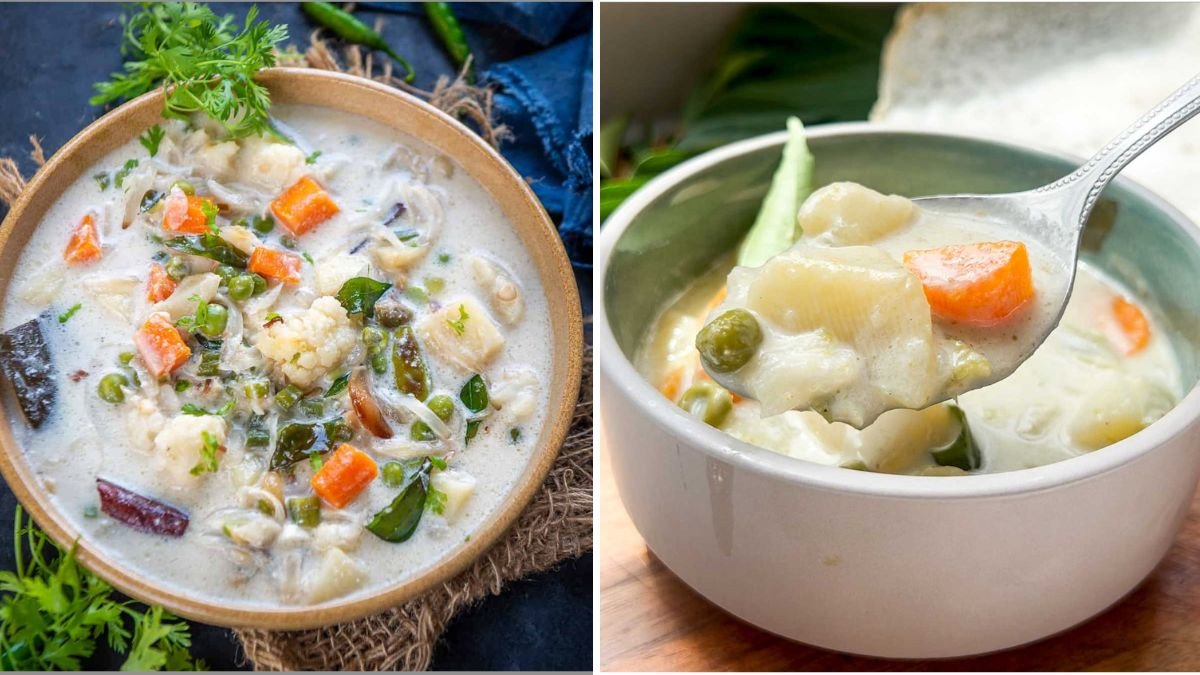
If you’re looking for a delicious, aromatic, and healthy stew, Vegetable Stew Kerala Style is the perfect choice. This classic South Indian dish features fresh vegetables cooked in a coconut milk-based gravy with fragrant spices, delivering a light, comforting, and flavorful meal. Perfect for breakfast, lunch, or dinner, this stew pairs beautifully with appam, idiyappam, or steamed rice, making it a versatile addition to your menu.
With this 5-step guide, you can recreate restaurant-quality Kerala-style vegetable stew right in your own kitchen, blending traditional flavors with American convenience.
Why Kerala-Style Vegetable Stew Is Perfect for Americans
Kerala-style vegetable stew is ideal for American home cooks because it is:

- Healthy and nutrient-rich: Loaded with fresh vegetables and coconut milk.
- Quick and easy to make: Ready in under 30 minutes with simple ingredients.
- Flavorful yet mild: Balanced spices make it suitable for all ages.
- Versatile: Can be served as a breakfast dish, light lunch, or comforting dinner.
- Vegetarian-friendly: Perfect for plant-based diets while providing protein and healthy fats.
This South Indian classic combines creamy coconut milk, aromatic spices, and tender vegetables, making it a wholesome and satisfying dish for the whole family.
Ingredients You’ll Need
Here’s a list of fresh, easily available ingredients for authentic Kerala-style vegetable stew:
Vegetables:
- 1 cup carrots, diced
- ½ cup green beans, chopped
- ½ cup peas (fresh or frozen)
- 1 small potato, diced
- ½ cup pumpkin or squash, diced
- 1 small onion, thinly sliced
For the Stew Base:
- 1 cup coconut milk (thick)
- 1 cup water
- 1–2 tablespoons oil or ghee
- 1 teaspoon ginger, grated
- 2–3 green chilies, slit (optional for mild spice)
- ½ teaspoon black pepper
- Salt to taste
For Tempering and Aromatics:
- 2–3 whole cloves
- 2–3 cardamom pods
- 1 small cinnamon stick
- 1 bay leaf
- 1 teaspoon mustard seeds
- Fresh coriander leaves, chopped for garnish
Optional Additions:
- Paneer or tofu cubes for protein
- Curry leaves for authentic South Indian flavor
- A few cashews for richness and texture
Step 1: Prep and Cook the Vegetables
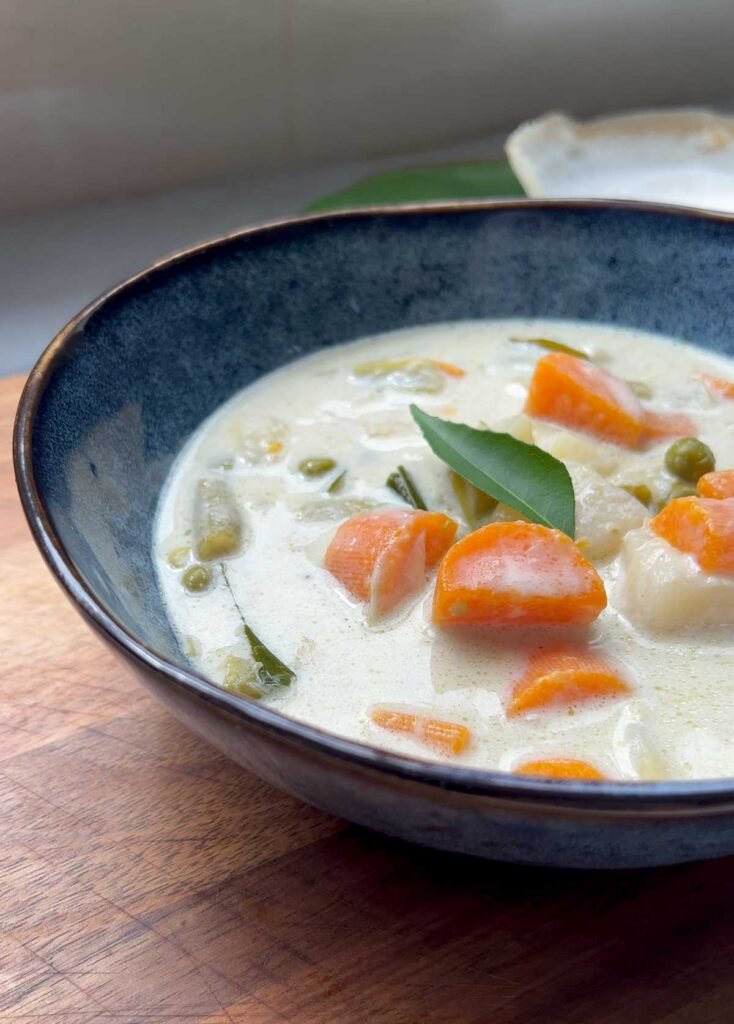
- Wash, peel, and chop all vegetables uniformly for even cooking.
- Heat 1 tablespoon oil or ghee in a large pan over medium heat.
- Add onions, ginger, and green chilies. Sauté until onions turn translucent.
- Add cloves, cardamom, cinnamon stick, and bay leaf. Sauté briefly to release aromas.
- Add carrots, beans, peas, potato, and pumpkin. Stir to coat with spices.
- Add 1 cup water, cover, and cook until vegetables are tender but not mushy (about 8–10 minutes).
Pro Tip: Uniform vegetable sizes ensure even cooking and a visually appealing stew.

Step 2: Prepare the Coconut Milk Base
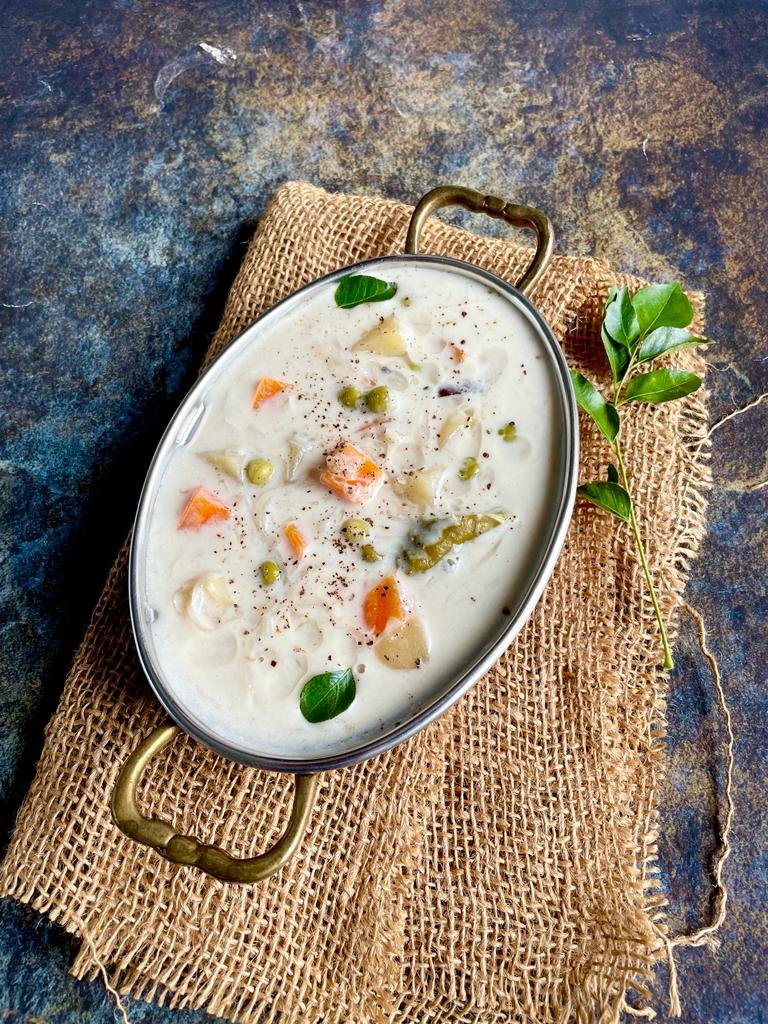
- In a separate bowl, shake or whisk 1 cup coconut milk to a smooth consistency.
- Slowly pour the coconut milk into the cooked vegetables while stirring gently.
- Simmer on low heat for 3–5 minutes, allowing the flavors to meld.
Pro Tip: Avoid boiling coconut milk vigorously, as it can curdle or separate. Gentle simmering ensures a creamy, smooth stew.
Step 3: Add Seasoning and Aromatics
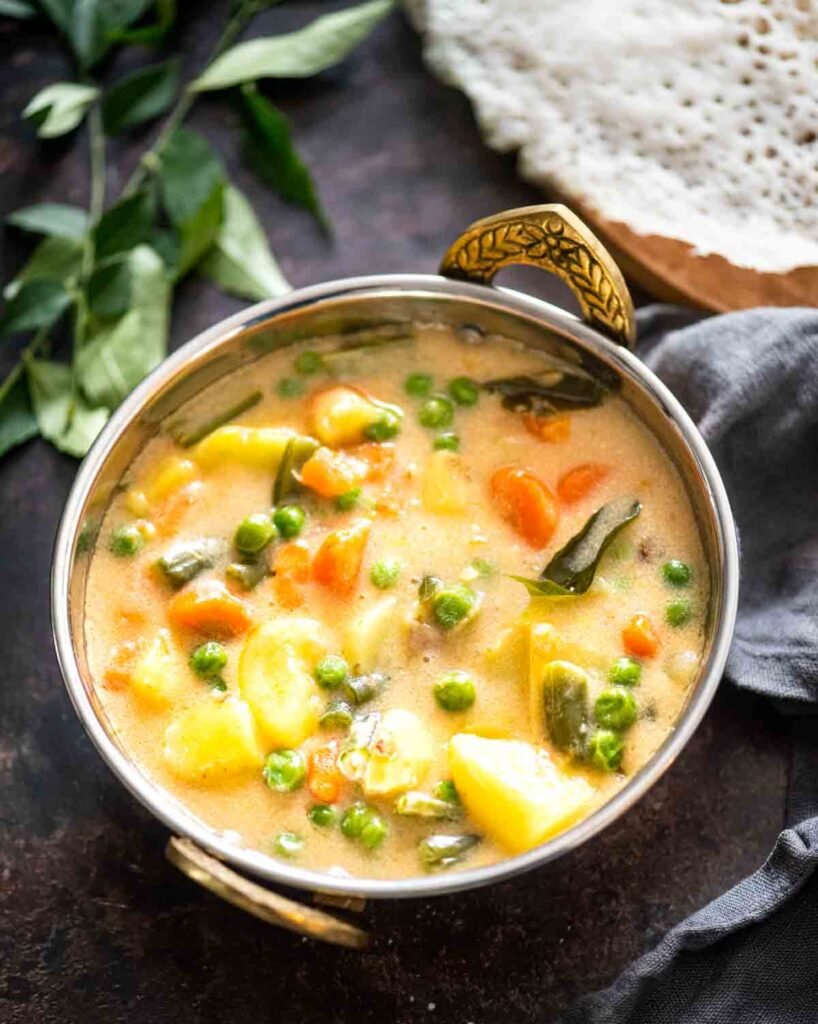
- Sprinkle ½ teaspoon black pepper and salt to taste.
- Add mustard seeds for a subtle, earthy flavor.
- Optionally, add curry leaves for authentic Kerala aroma.
Pro Tip: Kerala-style stews rely on simple, aromatic spices rather than heavy seasoning. This enhances the natural flavors of vegetables and coconut milk.
Step 4: Simmer and Blend Flavors
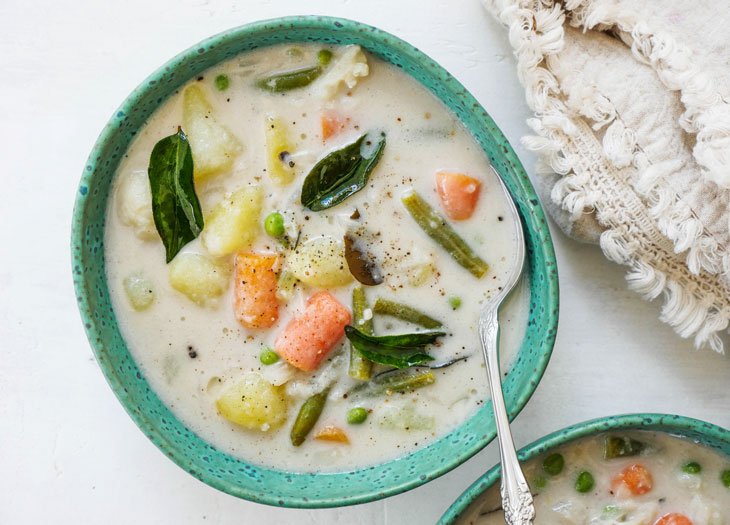
- Cover the pan and let the stew simmer on low heat for 5 minutes.
- Stir occasionally to ensure even cooking and prevent sticking.
- Taste and adjust seasoning, adding more salt or pepper if needed.
Optional: For a richer flavor, lightly mash a few potato or pumpkin pieces to thicken the stew naturally.

Step 5: Garnish and Serve
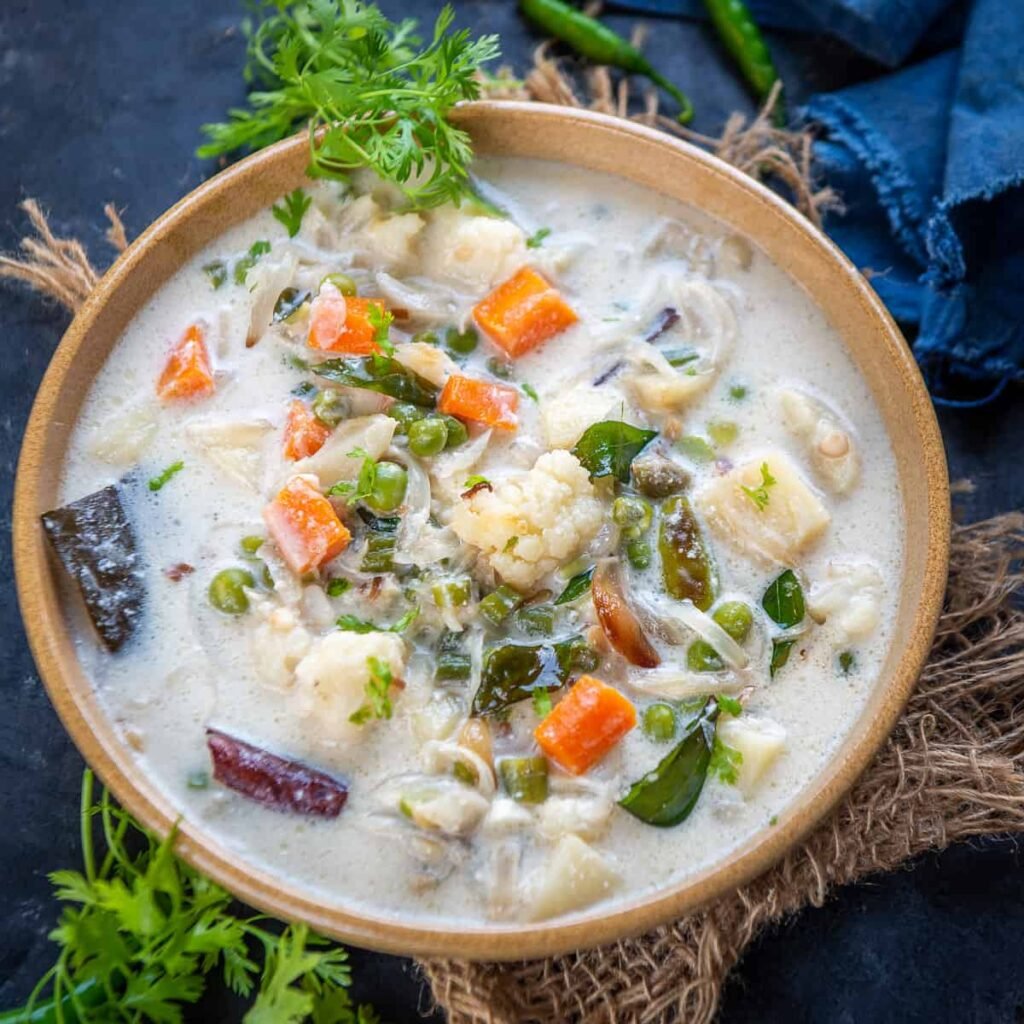
- Remove the whole spices (cloves, cardamom, cinnamon, bay leaf) if desired.
- Garnish with fresh coriander leaves and a few roasted cashews for texture.
- Serve hot with appam, idiyappam, steamed rice, or crusty bread.
Pro Tip: For breakfast or brunch, serve the stew with soft appam or Indian-style pancakes to enjoy the creamy coconut gravy fully.
Tips for Perfect Kerala-Style Vegetable Stew in American Kitchens
- Use fresh, seasonal vegetables: Carrots, beans, peas, and pumpkin are ideal.
- Coconut milk consistency: Full-fat coconut milk yields the creamiest texture; dilute with water if needed.
- Gentle simmering: Avoid high heat to prevent coconut milk from splitting.
- Protein addition: Paneer or tofu makes the stew more filling for lunch or dinner.
- Meal prep friendly: Stew can be refrigerated for 2–3 days; reheat gently on low heat before serving.
Why Kerala-Style Vegetable Stew Is a Superfood Meal
- Vegetables: Provide fiber, vitamins, and antioxidants.
- Coconut milk: Rich in healthy fats and adds creaminess without dairy.
- Spices: Cardamom, cinnamon, and cloves improve digestion and add antioxidants.
- Optional protein: Paneer or tofu increases protein content, making it balanced.
This stew is perfect for health-conscious Americans, vegetarians, and anyone looking for a light, nutritious, and comforting meal.
Serving Suggestions
Kerala-style vegetable stew pairs beautifully with:

- Appam or idiyappam: Traditional South Indian accompaniments.
- Steamed rice or pulao: For a wholesome lunch or dinner.
- Crusty bread or naan: For a fusion touch in American kitchens.
- Side salad: Adds freshness and crunch to the meal.
Final Thoughts
With these 5 simple steps, you can make authentic Kerala-style vegetable stew right in your kitchen. The combination of fresh vegetables, aromatic spices, and creamy coconut milk creates a dish that is comforting, healthy, and flavorful.
This South Indian classic is perfect for breakfast, lunch, or dinner, and its versatility allows for pairing with rice, appam, bread, or even noodles. By following this guide, you can enjoy a restaurant-quality Kerala-style vegetable stew in your American kitchen, impressing family and friends with minimal effort.
Experience the authentic taste of Kerala with this aromatic, creamy, and nourishing vegetable stew, a true fusion of health and flavor.