
Craving the rich, creamy, and flavorful taste of hotel-style vegetable kurma but don’t want to step out? You’re in luck! With just a few simple ingredients and some easy steps, you can recreate this restaurant-quality South Indian curry in the comfort of your kitchen.
This 6-step guide to cooking vegetable kurma is perfect for busy American households looking for quick, flavorful, and wholesome meals. Packed with fresh vegetables, aromatic spices, and a creamy coconut base, this kurma is ideal as a side with idli, dosa, roti, or steamed rice. Let’s dive in!
Step 1: Gather Fresh Ingredients
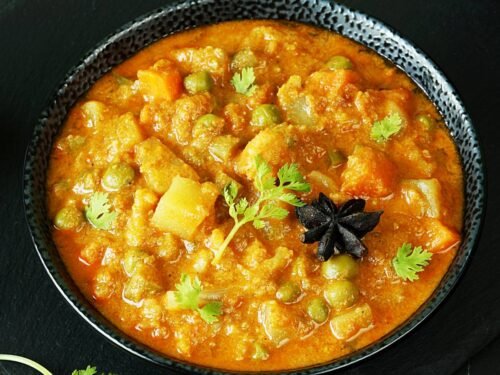
The first secret to a delicious vegetable kurma is using fresh, high-quality ingredients. Here’s what you’ll need for a serving of 4:
Vegetables:

- 1 cup carrots, diced
- 1 cup green beans, chopped
- ½ cup peas (fresh or frozen)
- 1 cup cauliflower florets
- 1 medium potato, cubed
- 1 cup bell peppers, chopped
For the Kurma Paste:
- ½ cup grated coconut (fresh or frozen)
- 1 tbsp cashews or almonds
- 1-2 green chilies
- 1-inch piece ginger
- 1 tsp fennel seeds (saunf)
- 1 tsp poppy seeds (khus khus)
- 2 cloves garlic
Aromatics & Cooking Base:
- 2 tbsp oil or ghee
- 1 tsp cumin seeds
- 1 large onion, finely chopped
- 1 tomato, chopped
- Salt to taste
Spices:
- ½ tsp turmeric powder
- 1 tsp coriander powder
- ½ tsp red chili powder (adjust to taste)
- ½ tsp garam masala
- 1-2 bay leaves
Optional Garnishes:

- Fresh coriander leaves
- Toasted coconut flakes
Pro Tip: Fresh vegetables, coconut, and spices make the kurma aromatic and authentic. Frozen coconut works in a pinch but fresh grated coconut elevates the flavor.
Step 2: Prepare the Vegetables
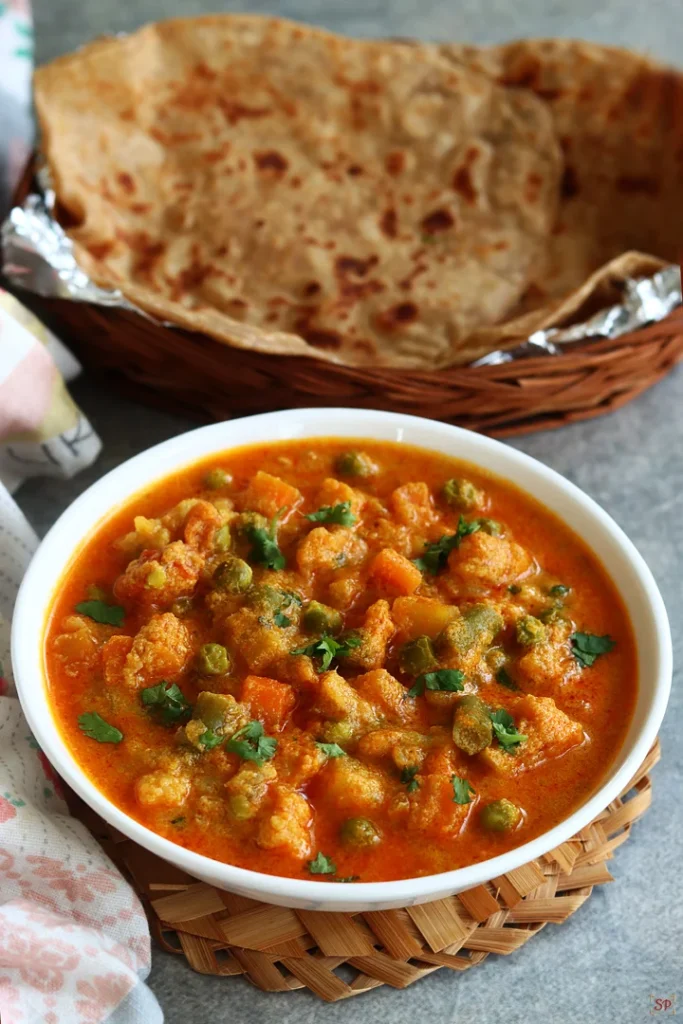
Before cooking, prep all your vegetables for even cooking:
- Wash and chop carrots, beans, cauliflower, potatoes, and bell peppers into small, uniform pieces.
- Boil or steam harder vegetables like carrots and potatoes for 5-7 minutes so they cook evenly in the curry.
- Chop onions and tomatoes and set aside.
Tip: Uniformly cut vegetables ensure your kurma has a consistent texture, just like the hotel-style versions.
Step 3: Make the Kurma Paste

The heart of hotel-style kurma is its creamy and aromatic paste.

- In a blender, combine grated coconut, cashews, green chilies, ginger, fennel seeds, poppy seeds, and garlic.
- Add 2-3 tablespoons of water and blend into a smooth paste.
- Set aside.
Pro Tip: This paste can be made ahead of time and refrigerated, saving you time on busy days. The combination of coconut and nuts gives the kurma its signature creamy texture.
Step 4: Sauté Onions and Spices
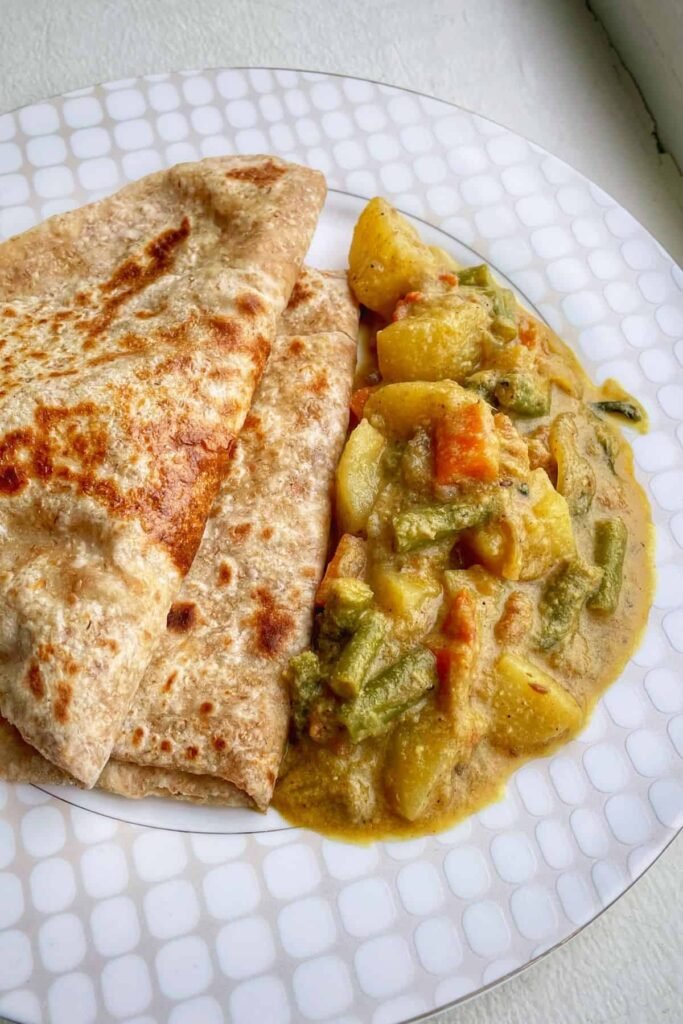
Now, we build the base of the curry:
- Heat 2 tbsp of oil or ghee in a large pan over medium heat.
- Add cumin seeds and bay leaves, letting them sizzle for a few seconds.
- Add finely chopped onions and sauté until golden brown.
- Add tomatoes, turmeric powder, coriander powder, red chili powder, and salt. Cook for 3-4 minutes until the tomatoes soften and the spices release their aroma.
Tip: Properly sautéing onions and spices is key to achieving the deep, rich flavor of hotel-style kurma.
Step 5: Cook Vegetables in Kurma Paste
Here’s where your dish really comes together:

- Add your prepped vegetables to the pan and mix gently.
- Pour in the prepared coconut-nut paste and stir to coat the vegetables evenly.
- Add 1-2 cups of water (depending on desired consistency). Cover and simmer on low-medium heat for 10-15 minutes.
- Check for seasoning and adjust salt, spices, or green chilies to taste.
Pro Tip: Simmer the curry on low heat to allow the flavors to meld. Avoid high heat, as it can curdle the coconut paste.
Step 6: Finish with Garnishes and Serve

Once your hotel-style vegetable kurma is ready:
- Sprinkle garam masala and stir gently.
- Garnish with fresh coriander leaves and toasted coconut flakes.
- Serve hot with idli, dosa, chapati, or steamed rice.
Tip: The dish tastes best fresh, but it can be stored in the fridge for up to 2 days. Reheat gently before serving.
Extra Tips for Perfect Hotel-Style Vegetable Kurma
- Vegetable choices: Feel free to swap or add vegetables like zucchini, mushrooms, or sweet corn for variety.
- Consistency: Adjust water for a thicker or thinner curry depending on preference.
- Spice level: Modify red chili and green chili quantities to suit your taste.
- Nuts for creaminess: Cashews and almonds make the curry richer, but you can skip them for a lighter version.
- Use a non-stick pan: Prevents the kurma from sticking and makes stirring easier.
Why This Vegetable Kurma Recipe Works for American Kitchens
- Healthy and nutritious: Packed with fresh vegetables, coconut, and spices.
- Quick and easy: Ready in under 40 minutes, making it perfect for weeknight dinners.
- Versatile: Pairs with idli, dosa, chapati, or rice.
- Family-friendly: Mildly spiced and creamy, perfect for kids and adults alike.
- Authentic flavor: This recipe replicates the hotel-style South Indian taste without the need for exotic ingredients.
Conclusion
Cooking hotel-style vegetable kurma at home is easier than you think. With this 6-step guide, even beginners can create a restaurant-quality curry that is creamy, aromatic, and packed with fresh vegetables. From prepping vegetables to making the flavorful coconut-nut paste and simmering everything to perfection, each step ensures a delicious result.

Whether you’re serving it for breakfast with idli or dosa, lunch with rice, or dinner with roti, this vegetable kurma will impress your family and friends. Try this recipe today and bring the authentic taste of South Indian hotels into your American kitchen!